News
Whales from Aloft
Thursday June 11, 2026
SEA Campus
Woods Hole, MA
1100 ET
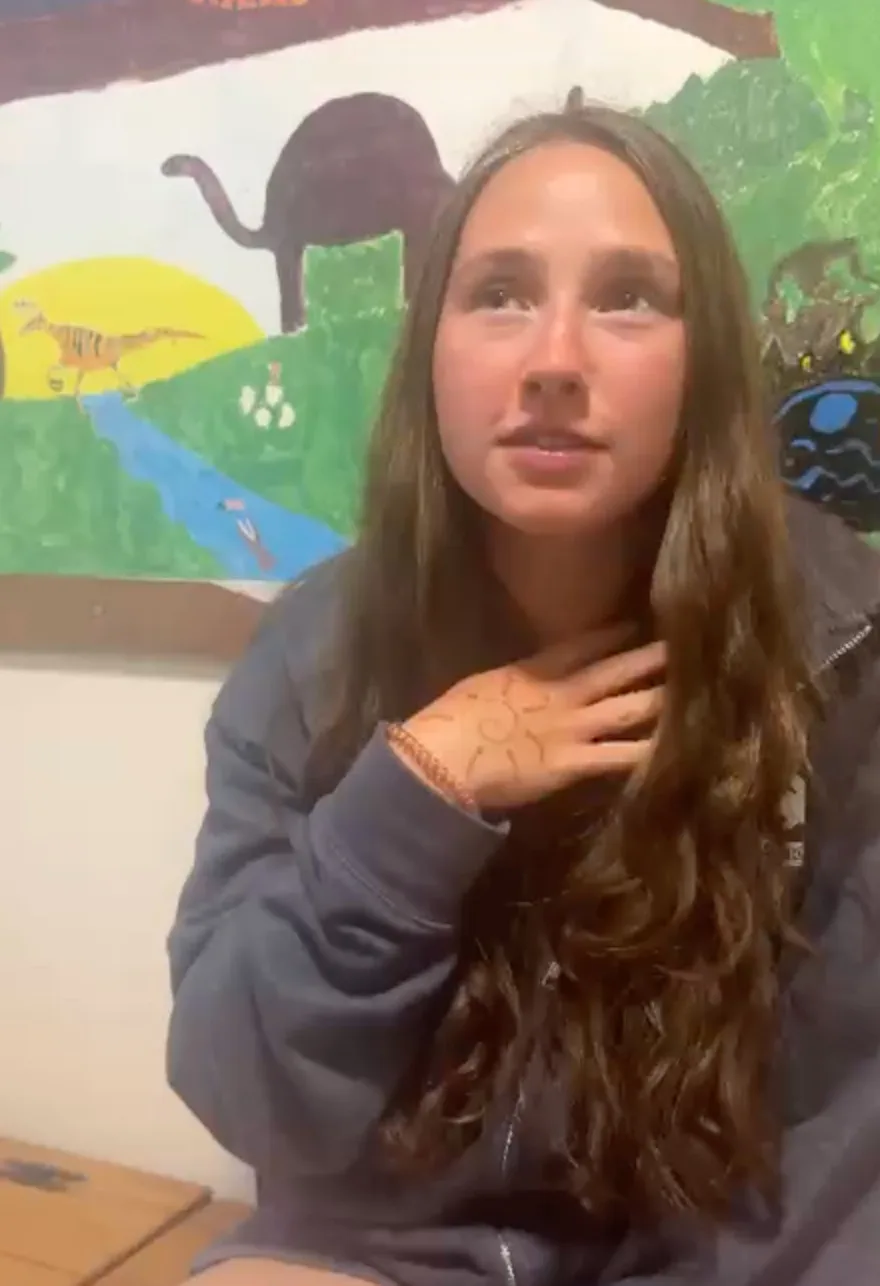
On the night before the final day and their culminating research presentation, Camryn caught up with fellow student Bridget to hear her thoughts on the winding down of their Whaling History and Whale Conservation program.
Hello, what’s your name and where are you from?
I’m Bridget, and I’m from Newtown, Connecticut. I go to URI [University of Rhode Island], and I’m a Marine Biology and Marine Affairs double major. I’ve done one of the high school programs, Sea Expedition before, so I’ve kind of stayed [involved] a little bit, like I still follow the Instagram. So I saw it come up. I got an email from my school, too. I looked into it, and I thought this was a really interesting program, because I love whales, and I’m also really interested in the policy side of things. I thought this kind of blended the two together really well, and I just thought it was pretty cool. So I decided to do it.
From your time on the Cramer, any specific story or moment that stood out to you most?
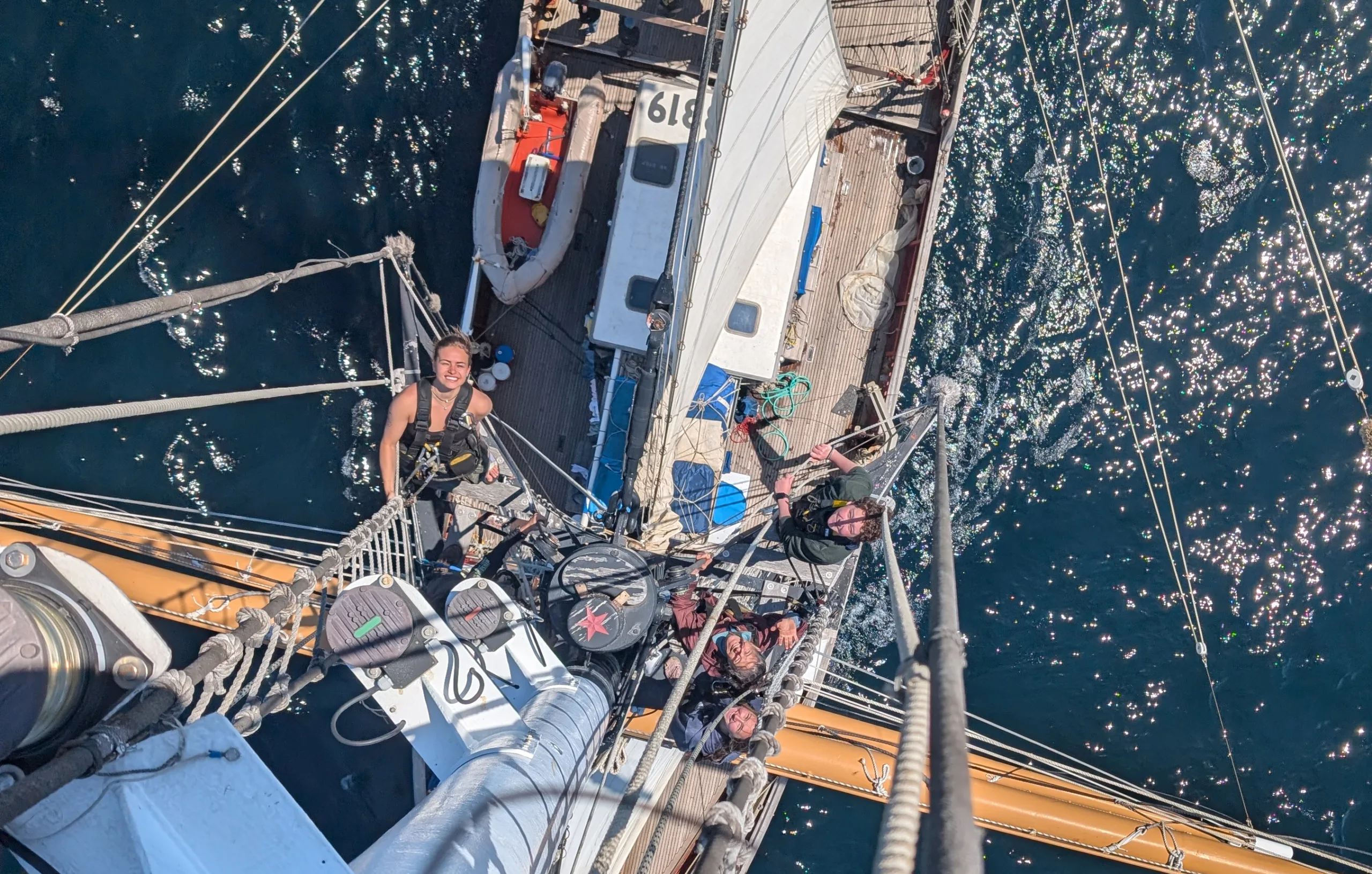
We had one day when we were going through Stellwagen Bank, which was where we saw most of our whales, that a few of us climbed aloft to the top of the mast. We were watching from the top of the mast and we were seeing whales. And I just thought that was so cool. We were having like, we were just kind of mesmerized by it. Because we were so high up. But also watching all these whales, which was pretty cool. It was fun to see everybody’s reaction from down on the deck while we were up aloft.
We also had one night where we got to do a night watch. It was just so pretty because it was so dark out and all the stars were out. It was very peaceful and calm.
What has been your favorite thing that we’ve learned about whaling and whale conservation?
I thought it was really interesting to learn more about the cultural side of what whaling brought to a lot of these communities. I didn’t realize the diversity and everything that it brought and like how it really connected these areas. In New Bedford especially, we saw it, like with the Portuguese and the Azoreans. It really made it very international, and I thought that was really interesting.
It was also just really cool to see how whaling was just so still, so like ingrained in a lot of these towns. We really saw it in New Bedford. Just in general it’s kind of cool how it’s shaped the New England coast so much.
Something surprising that I learned, we actually just talked about it the other day. During one of our last lectures with Brooke we talked about these spiritual connections people have been making with whales. We all thought it was pretty funny. I didn’t realize people were making these connections with whales.
It was cool to see [the whales] just in their environment and see how they’re playing a role in their environment, like while we were on the boat.
Lectures are over now, and we’re in the final stretch…
Yes, today we just finished practicing, so tomorrow we have our symposium. We’re working hard tonight, and we’re getting ready to present tomorrow. Which I think we’re all excited for, to see everything come together. Afterwards we’re hosting our “barba-crew” where all the crew from the boat are going to come over. We’re cooking a big dinner for them. That’ll be fun to see everybody all together once again before we go home on Friday. It’s bittersweet even. We had a lot of fun, and we’re gonna have a fun ending, but it went by so fast.