
High School and Pre-College
Spring 2027

SEA Quest: Spring Break

Online Program

SEA Quest: Spring Break

From Sea to Poke Bowl: Fishing and Environmental Communication, SEA Quest is an international university preparatory symposium focused on environmental communication. This spring we’ll have a special one-week version! We bring together high school and secondary school students from all over the world, over Zoom, to discuss and learn about the most pressing ocean issues of our time as we create an issue of our magazine SEA Writer.
This March 2027 we will explore the question: Should I eat a tuna poke bowl?  To answer this collectively, we explore the status of commercial fisheries, the extent of sustainable practices, the ethics of eating fish, and an understanding of deep ocean ecological relationships with plankton, seabirds, and marine mammals. We learn about the issues—the marine science, the policies, the cultural history—and we explore ways to effect change by reaching out to broader audiences, particularly with writing, photography, and illustration.
This is not a Zoom course where you just sit and watch lectures. We keep the group small so we can have breakout rooms, discussions, activities, peer-review, and be able to converse with our experts. You’ll need to keep your camera on for each session and be ready to engage with your classmates and our guest speakers. Our spring schedule is not entirely set, but expect visits from the likes of USCG Captain and Pacific enforcement specialist Christopher Nolan, Senior Editor at Monga Bay Rebecca Kessler, and fisheries ecologist Dr. Ciarra Willis. The course is organized and run by writer-illustrator Richard J. King.
For this special March version of SEA Quest, we will meet Monday-Saturday, 1:00-3:00 pm and 6:00-8:00 p.m. ET with approximately 10 hours of additional project work, including reading and writing before the program starts. No prerequisites required aside from fluency in English, enthusiasm, and a strong internet connection. We have scholarship funding allocated, especially for students from island communities.

Program Cost: $1,500

Learning Objectives
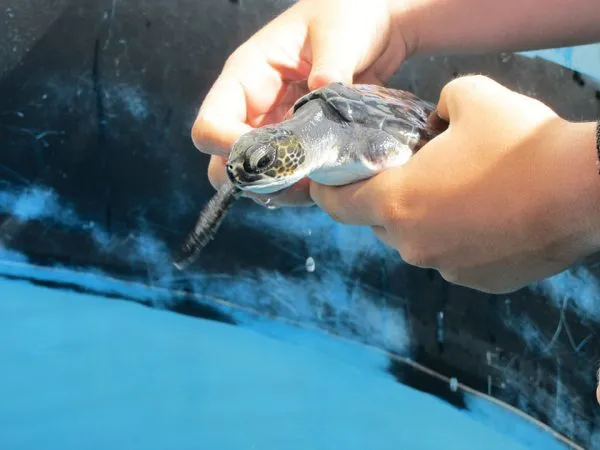
Students participating in this program can expect the following:

Study Ocean Research with Leading Experts

Explore current research on commercial fisheries, fish biology, marine protected areas, sustainable marketing, and other topics. Learn from writer and illustrator Dr. Richard J. King alongside guest experts in marine science and policy. Examine how storytelling, media, and public engagement bridge the gap between scientific research, community action, and the food we eat.
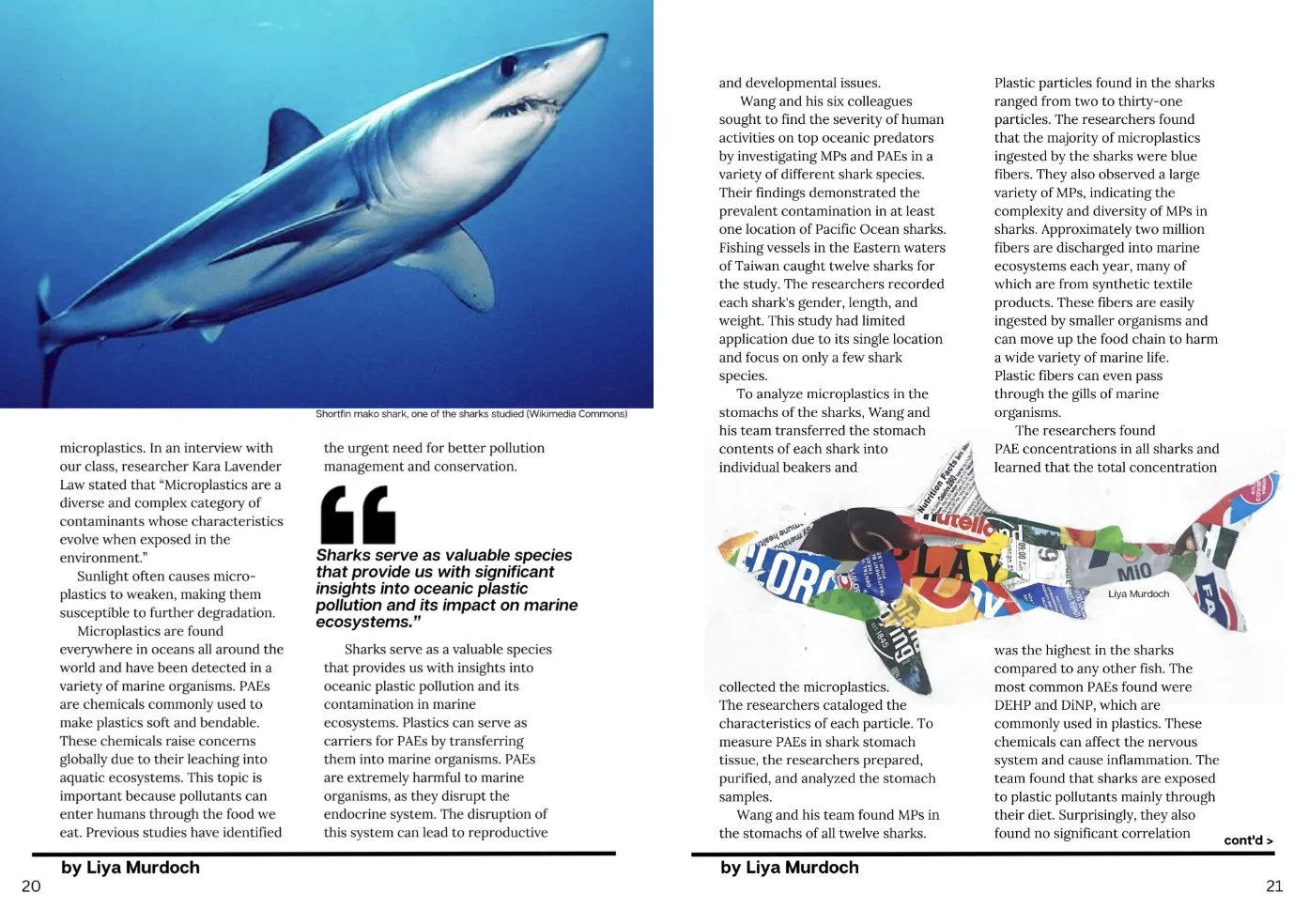
Translate Scientific Papers for Public Audiences

Read and interpret peer-reviewed scientific and social science papers on tuna and commercial fisheries and marketing. Learn to translate complex findings into clear, compelling narratives for non-specialist readers. Interview researchers when possible to understand not just their findings, but how to communicate scientific work effectively.
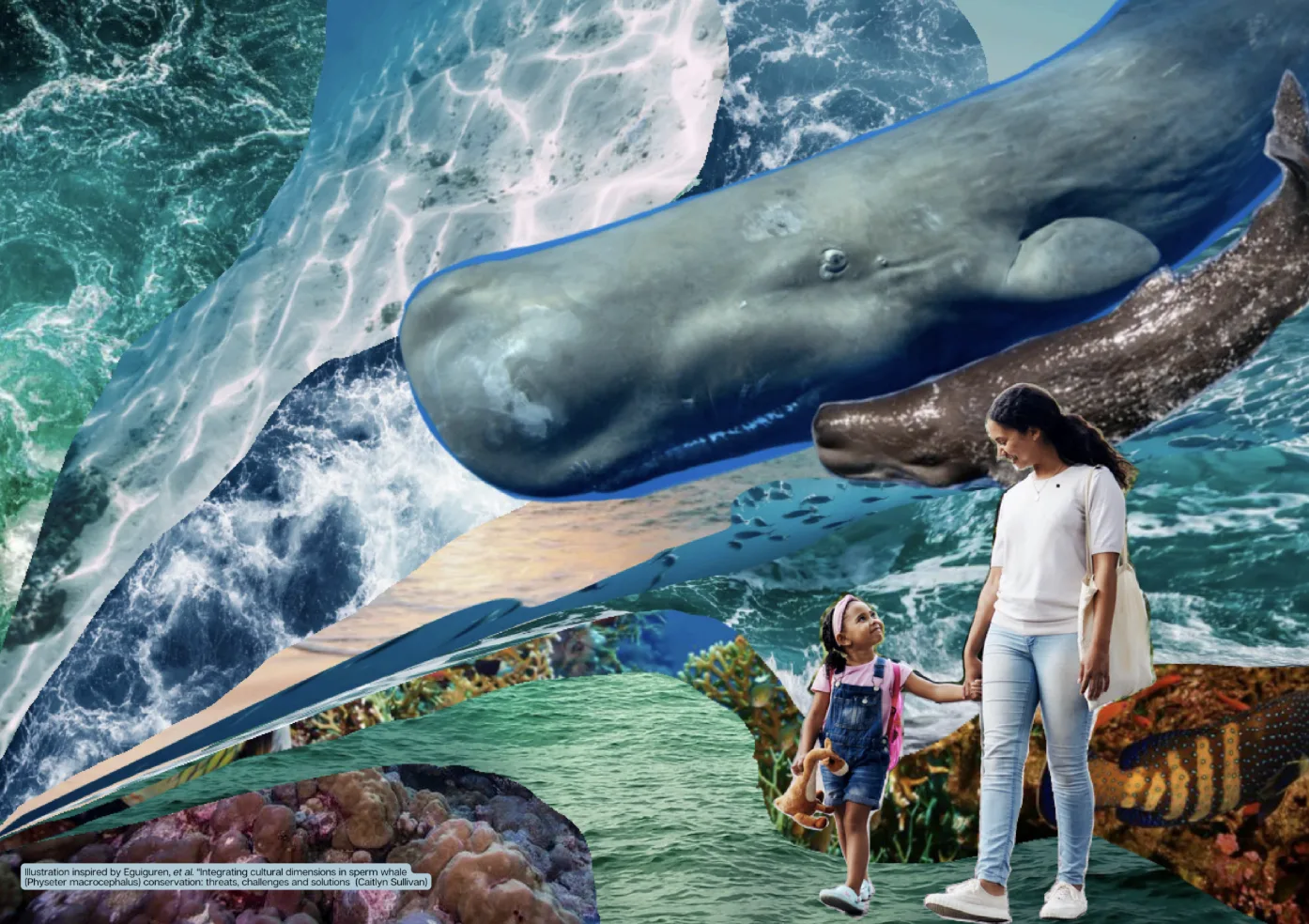
Create Science Communication Projects

As you create with your classmates an issue of SEA Writer, produce articles and artwork that communicate how the next generation of ocean stewards is bridging the gap between complex marine science and policy with the global protein demand ashore.
Dive into last summer’s issue of SEA Writer, in which SEA Quest high school students explored Oceania for three weeks: SEA Writer.SEA Quest

Apply

High School and Pre-College Program

Upcoming Sessions

Winter Break Special Session

Mar 15 - Mar 20 2027

Cost & payment

Program Cost: $1,500

Upon acceptance to SEA, families have the opportunity to apply for need-based financial assistance. Financial aid decisions are reviewed on a rolling basis after students have been accepted.
For questions, please contact Financial Aid.
Email: financialaid@sea.edu
Phone: (508) 444-1916
Financial Aid & Costs

APPLICATION PROCESS

We accept summer applications beginning in the preceding fall and encourage students to apply early since some programs may fill before the stated deadline.

Students will be required to complete the following in order to be considered by the application deadline:

  • Biographical form
  • High school transcript
  • One academic reference
  • Short answer essay questions
  • Interview (not applicable for SeaQuest or Ocean Studies on Cape Cod applicants) 
Learn more

Health & safety

The safety of all SEA program participants and staff is among our highest priorities. To this end, SEA maintains a philosophy of prevention in managing risk in its activities. 
Learn More

essential Eligibility requirements

All accepted students must meet SEA’s Essential Eligibility Criteria and be cleared to participate by SEA’s medical team.
Learn More