
Plastics & Biodiversity in the Sargasso Sea
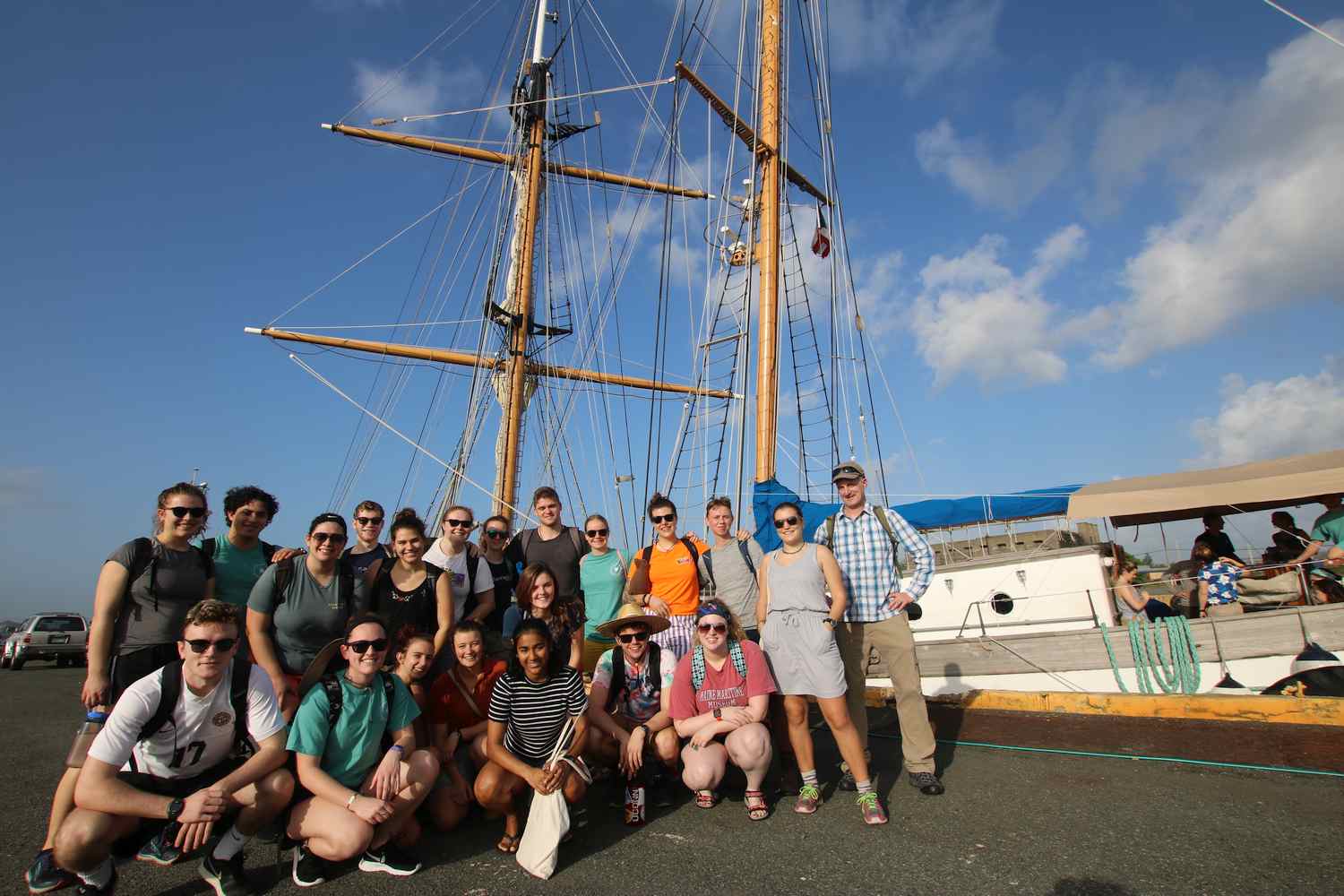
The Sargasso Sea’s floating mats shelter juvenile sea turtles, fish, and migratory species in what Sylvia Earle called “the golden floating rainforest of the Atlantic.” Sail from St. Croix to Woods Hole using next-generation DNA sequencing—the same technology used on the International Space Station—to investigate how plastic pollution and climate change are altering this unique ecosystem. Spend six weeks as working crew aboard SSV Corwith Cramer collecting zooplankton specimens and conducting research directly supporting the Sargasso Sea Commission’s conservation efforts, then two weeks in Woods Hole preparing a student-led symposium with regional experts.
Research Themes
Research Partners
Learning Objectives
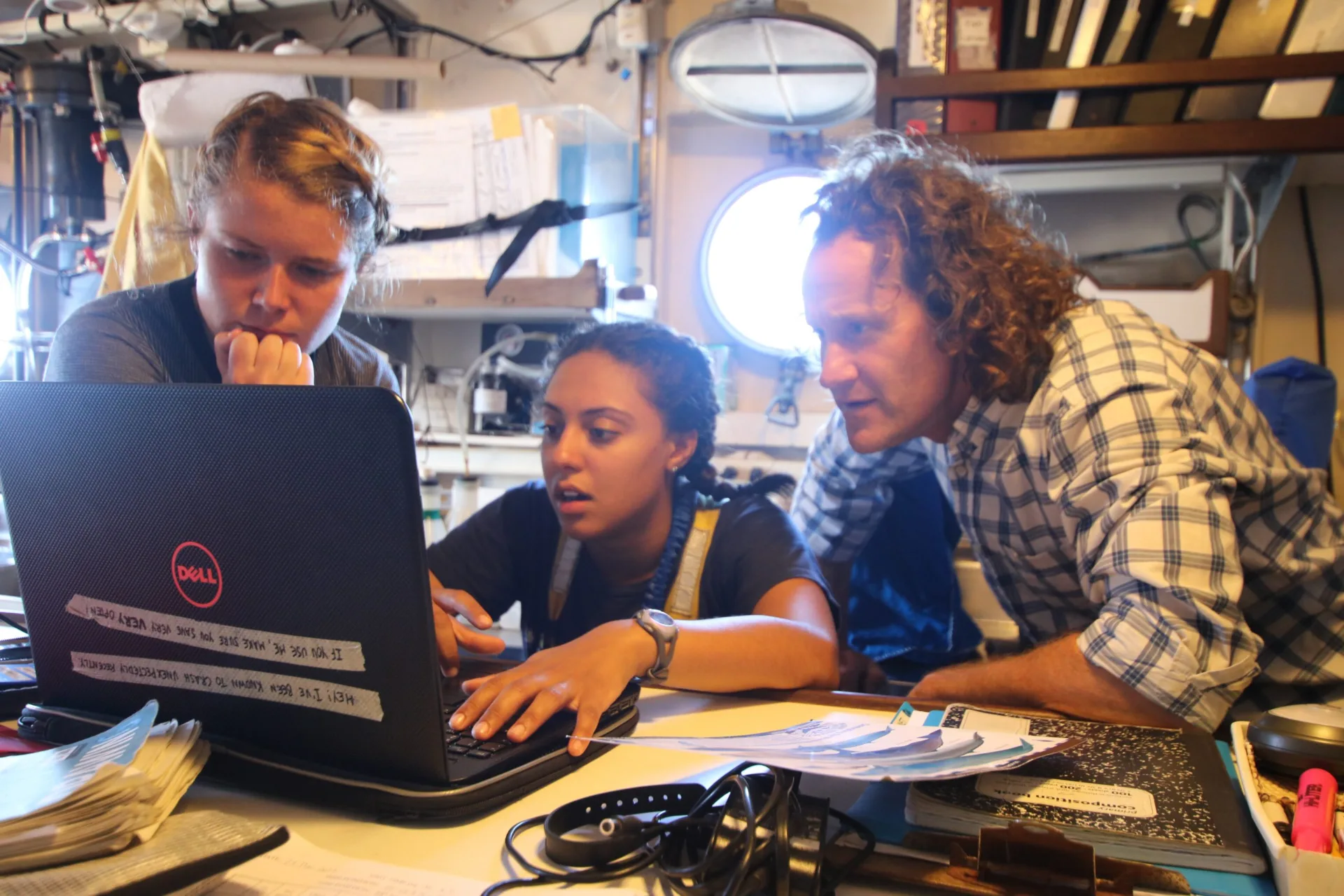
Sequence DNA at Sea
Use portable molecular sequencing platforms to identify species in zooplankton samples collected from Sargassum mats. Master the same field-ready technology employed in remote Arctic and Antarctic research. Learn how modern molecular tools answer conservation questions that traditional identification methods can’t.
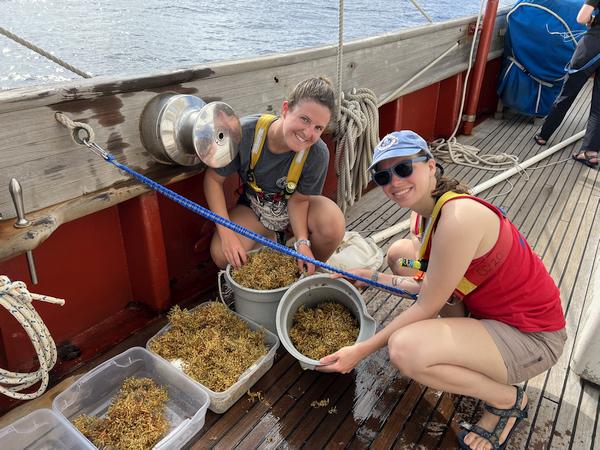
Contribute to Sargasso Sea Commission Research
Design and conduct group research projects addressing plastic impacts and biodiversity in the Sargasso Sea. Your data directly supports the Sargasso Sea Commission’s efforts to protect this boundary-less ocean ecosystem. Collect samples, analyze results, and understand how your research informs international conservation policy.
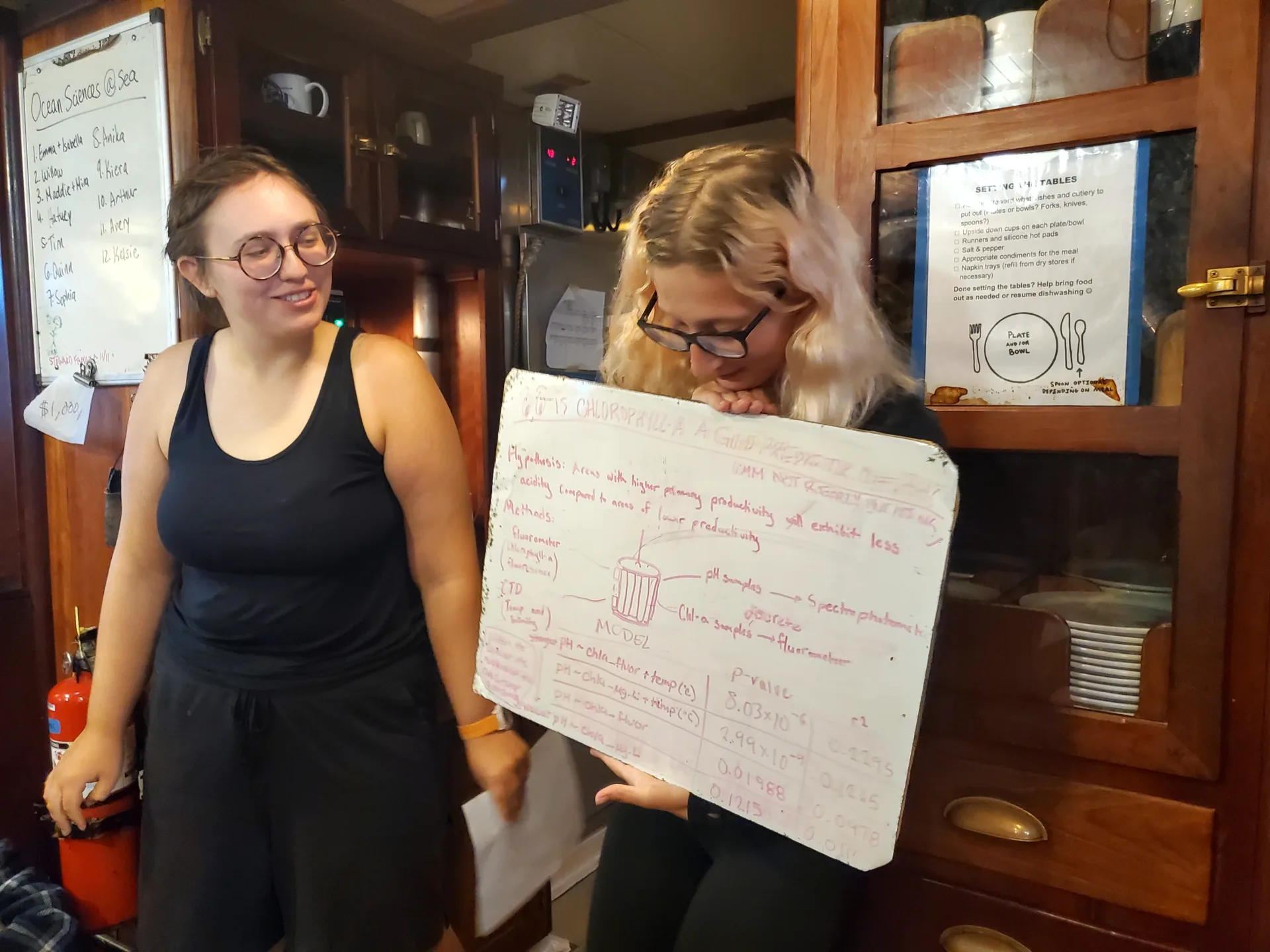
Contribute to Sargasso Sea Commission Research
Design and conduct group research projects addressing plastic impacts and biodiversity in the Sargasso Sea. Your data directly supports the Sargasso Sea Commission’s efforts to protect this boundary-less ocean ecosystem. Collect samples, analyze results, and understand how your research informs international conservation policy.
Course Descriptions & Syllabi
Students earn 18 semester hour credits from University of Minnesota upon successful completion of the program. Prerequisites are one introductory science course and one 200-level science lab.
Ocean Science and Public Policy300 level, 3 credits, CAS NS 320
Culture, history, political systems and science can shape ocean policy. Practice current strategies to build, analyze, and communicate about diverse policy issues. Examine the power, use and limitations of science and the scientist’s voice in determining ocean policy.
Advanced Topics in Biological Oceanography400 level, 4 credits, CAS NS 450
Two lab science courses (one at the 200-level or higher) or consent of instructor.
In-depth treatment of a single topic in biological oceanography. Extensive review of classical and contemporary literature. Introduction and practice of current laboratory techniques. Oral presentation and written research proposal required. Topics may include marine plankton ecology, marine biodiversity, and satellite oceanography.
Directed Oceanographic Research300 level, 4 credits, XAS NS 325
Two lab science courses (one at the 200-level or higher) or consent of instructor.
Design and conduct original oceanographic research. Collect data and analyze samples. Compile results in peer-reviewed manuscript format and share during oral or poster presentation session. Emphasis on development of research skills and written/oral communication abilities.
Leadership in a Dynamic Environment300 level, 3 credits, CAS NS 329
Be an effective leader while leveraging the individual strengths of a team. Use leadership theory and case studies to understand how decisions affect outcomes. Participate as an active member of a ship’s crew, progressively assuming full leadership roles.
Marine Environmental History300 level, 4 credits, CAS NS 323
Employ methods and sources of historians and social scientists. Examine the role of human societies in coastal and open ocean environmental change. Issues include resource conservation, overfishing, pollution, invasive species, and climate change.
Apply
Upcoming Sessions
Program Dates
Mar 2, 2027 - May 28, 2027
Cost & payment
APPLICATION PROCESS
- Complete your application
- Gather two references and an unofficial transcript
- Coordinate with your university
- Obtain medical clearance
- Apply for a passport
- Speak with our team