
News
Exploring the Marsh and Ocean Chemistry
Thursday, 23 July 2026
Woods Hole, Massachusetts
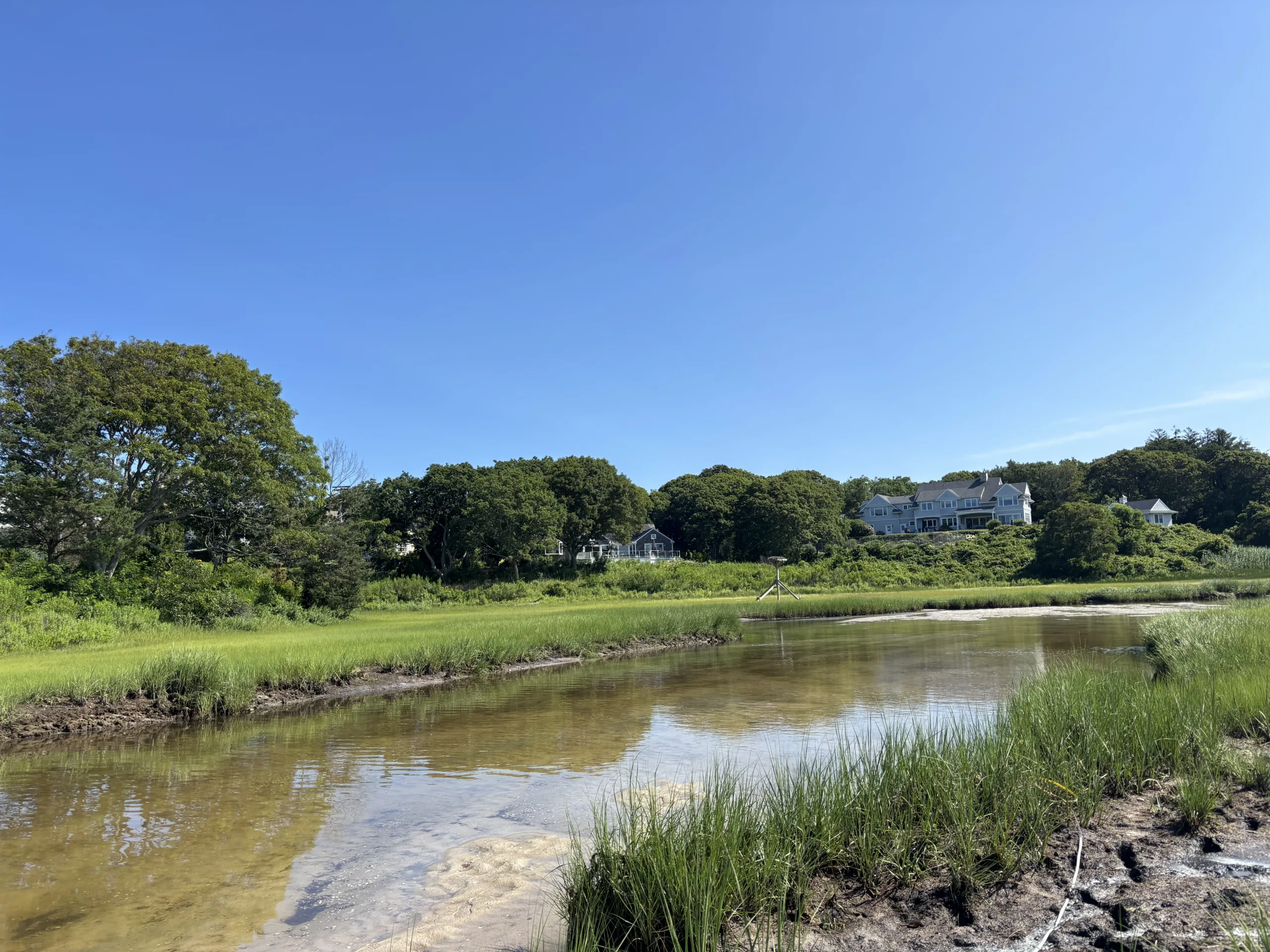
Today was another exciting day of field research and classroom learning. In the morning, we traveled to Little Sippewissett Marsh for our second day of data collection. Our research focused on measuring different aspects of the marsh ecosystem, including plankton abundance, sediment characteristics, and plant biodiversity. We divided into three groups and spread out across different sections of the marsh to maximize our efficiency. Using transects and quadrats, we collected data on vegetation while also conducting plankton tows and gathering sediment samples. Fortunately, nobody slipped into the marsh today, which was a much welcome improvement from previous field days.
Because this was our third time performing these research methods, our group worked much more efficiently and confidently. We were able to complete our fieldwork quickly enough that some groups began analyzing samples before lunch. Back in the lab, we examined plankton under microscopes and measured sediment moisture levels. It was rewarding to see how the samples we collected in the field could be transformed into data that helps us better understand marsh ecosystems. Looking through the microscopes was especially interesting because it allowed us to observe organisms that are normally invisible to the naked eye and appreciate the diversity of life present in even a small water sample.
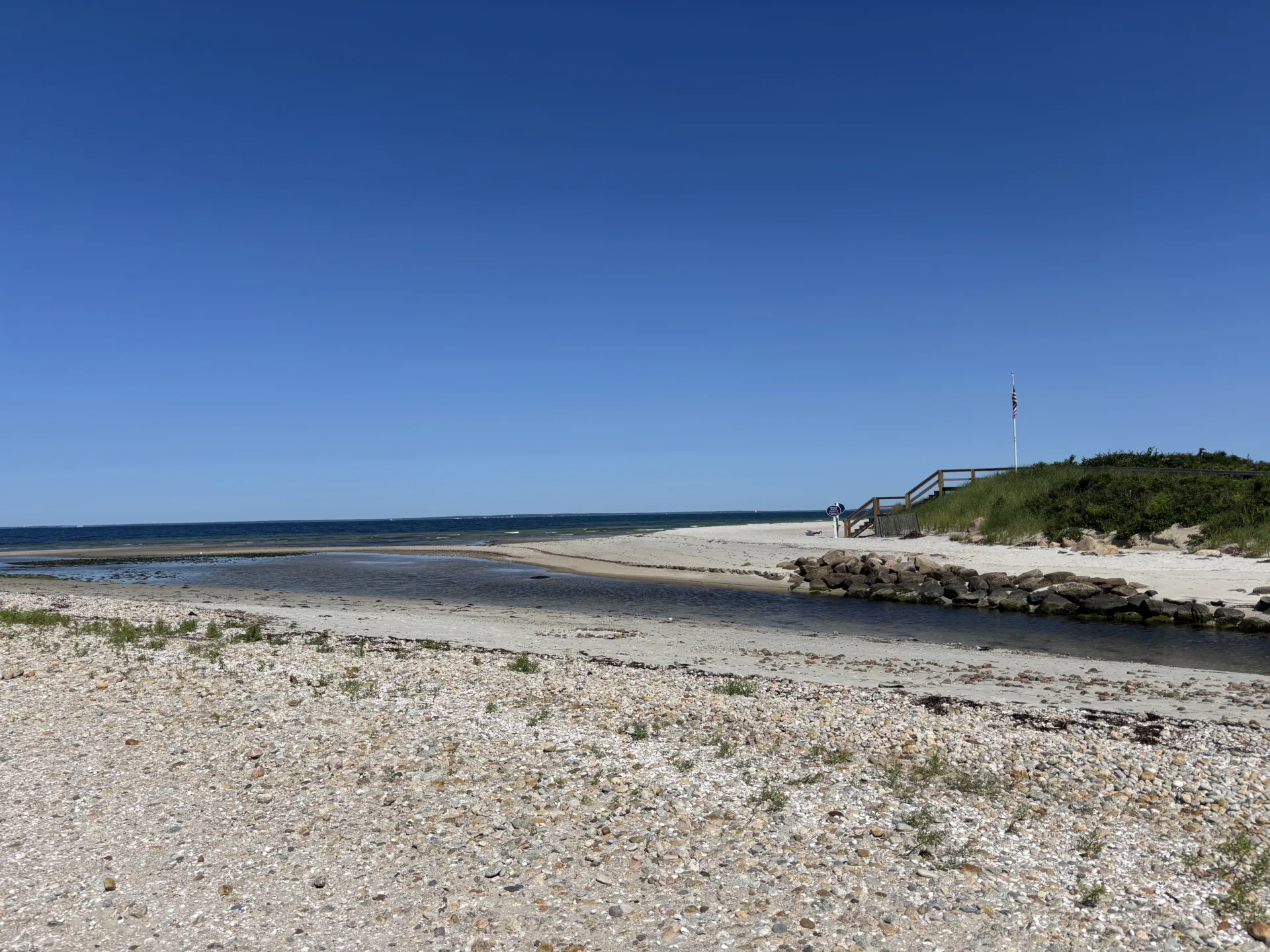
After returning to the cabins for lunch and a few games of spikeball, we headed back to the classroom for an afternoon focused on marine chemistry. We learned about important elements found in ocean systems, including oxygen and carbon, and discussed the roles they play in supporting marine life and regulating Earth’s climate. We also conducted a hands-on activity testing the pH of different solutions, such as salt water and vinegar, which helped us better understand ocean chemistry and acidity. Seeing the different pH values firsthand made the concepts from the lecture much easier to understand and connect to real-world ocean processes.
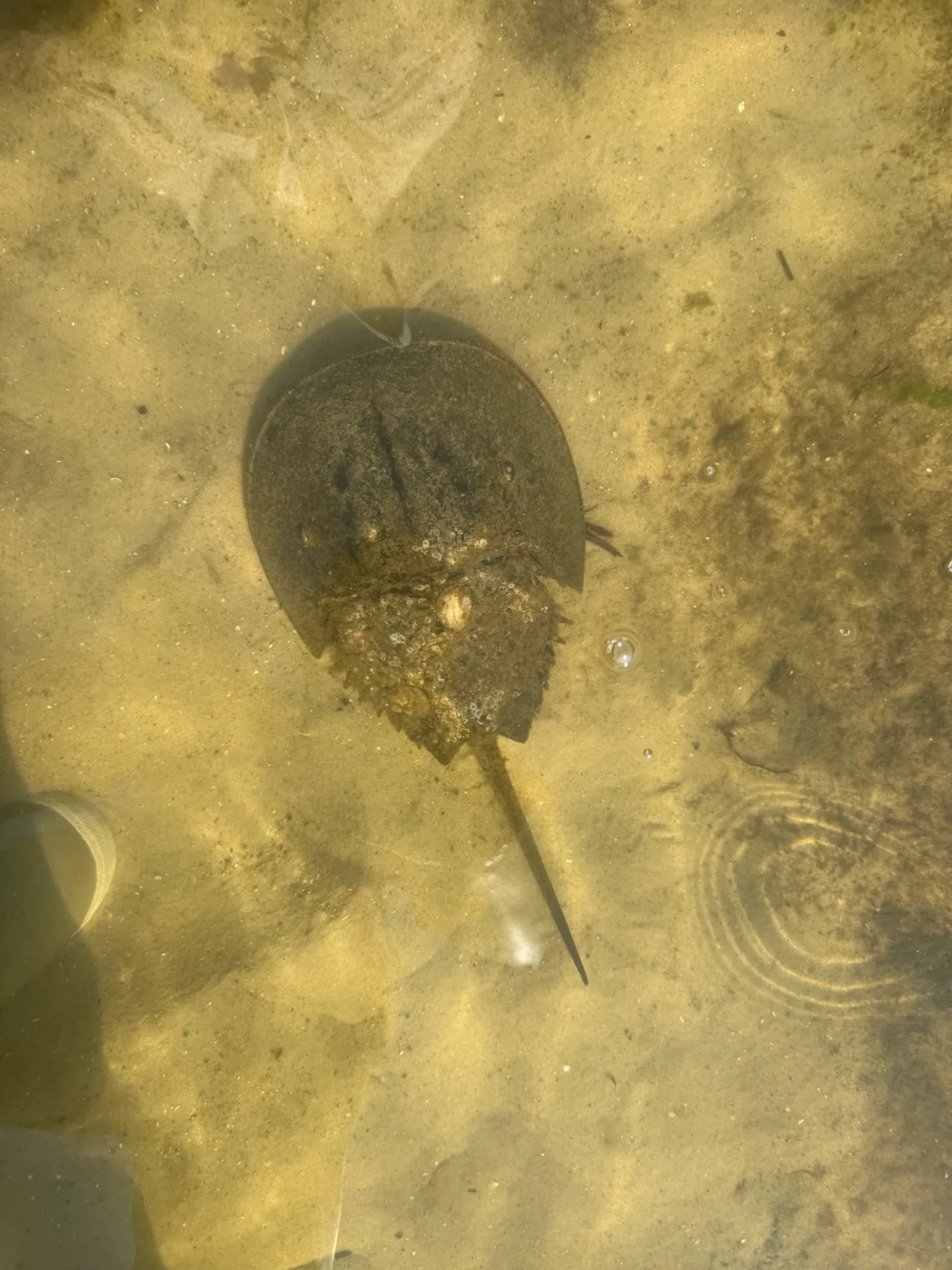
We ended the day with a lecture on ocean nutrient cycles and explored how trace metals, despite being present in small amounts, are essential for life in the ocean. One of the most interesting parts of today was seeing the connection between our fieldwork and classroom lessons. The marsh research showed us how scientists collect environmental data, while the chemistry lectures explained some of the processes that influence marine ecosystems. As the program continues, I am gaining a deeper appreciation for how interconnected biological, chemical, and physical processes are in the ocean and coastal environments. Each day helps me better understand the complexity of marine science and the many factors that contribute to healthy ecosystems.
Reyna, Pre-College: Oceanography 2