
News
Fair Winds, Whaling History and Whale Conservation Students!
Friday June 12th, 2026
SEA campus
Woods Hole, MA
1230
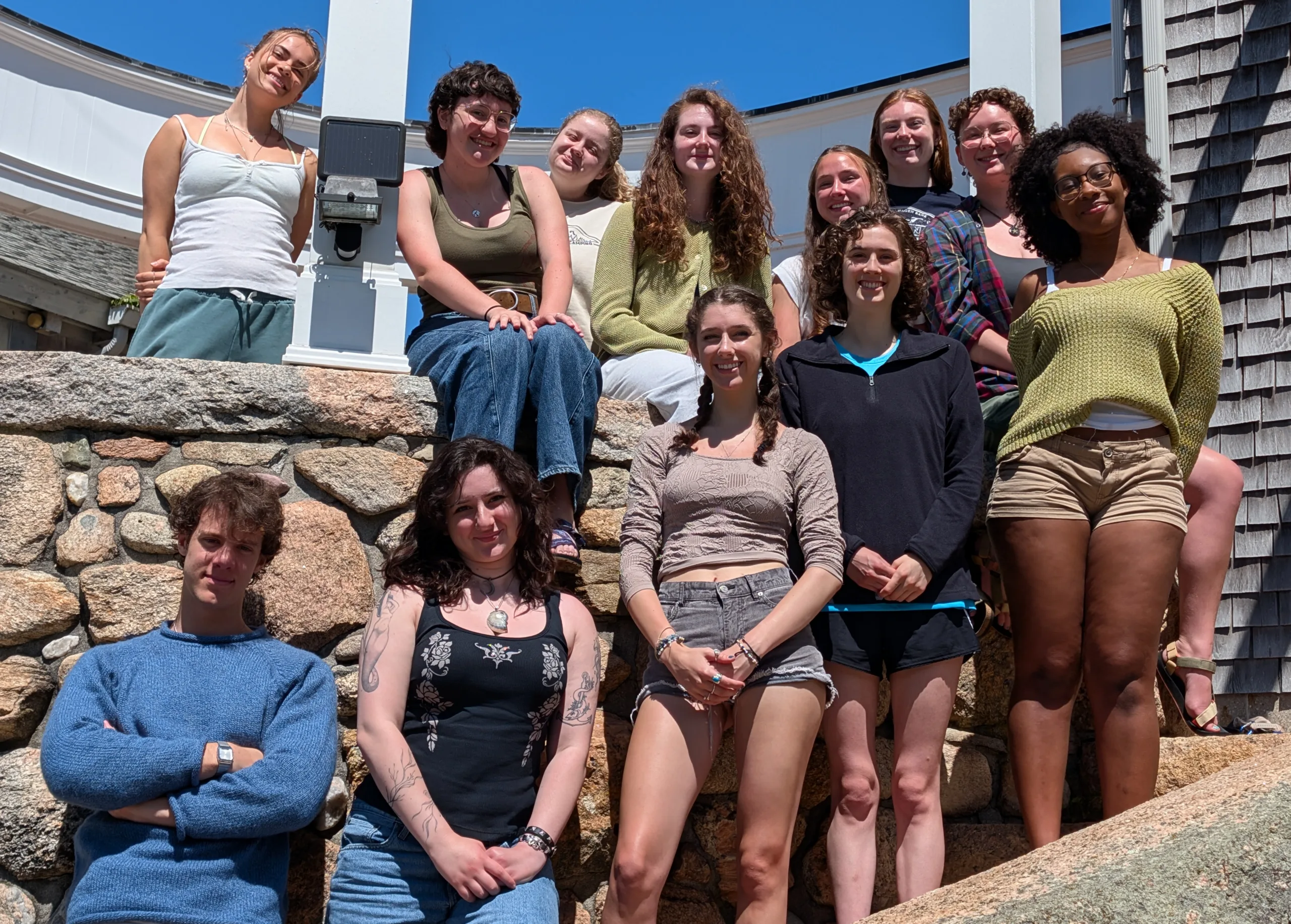
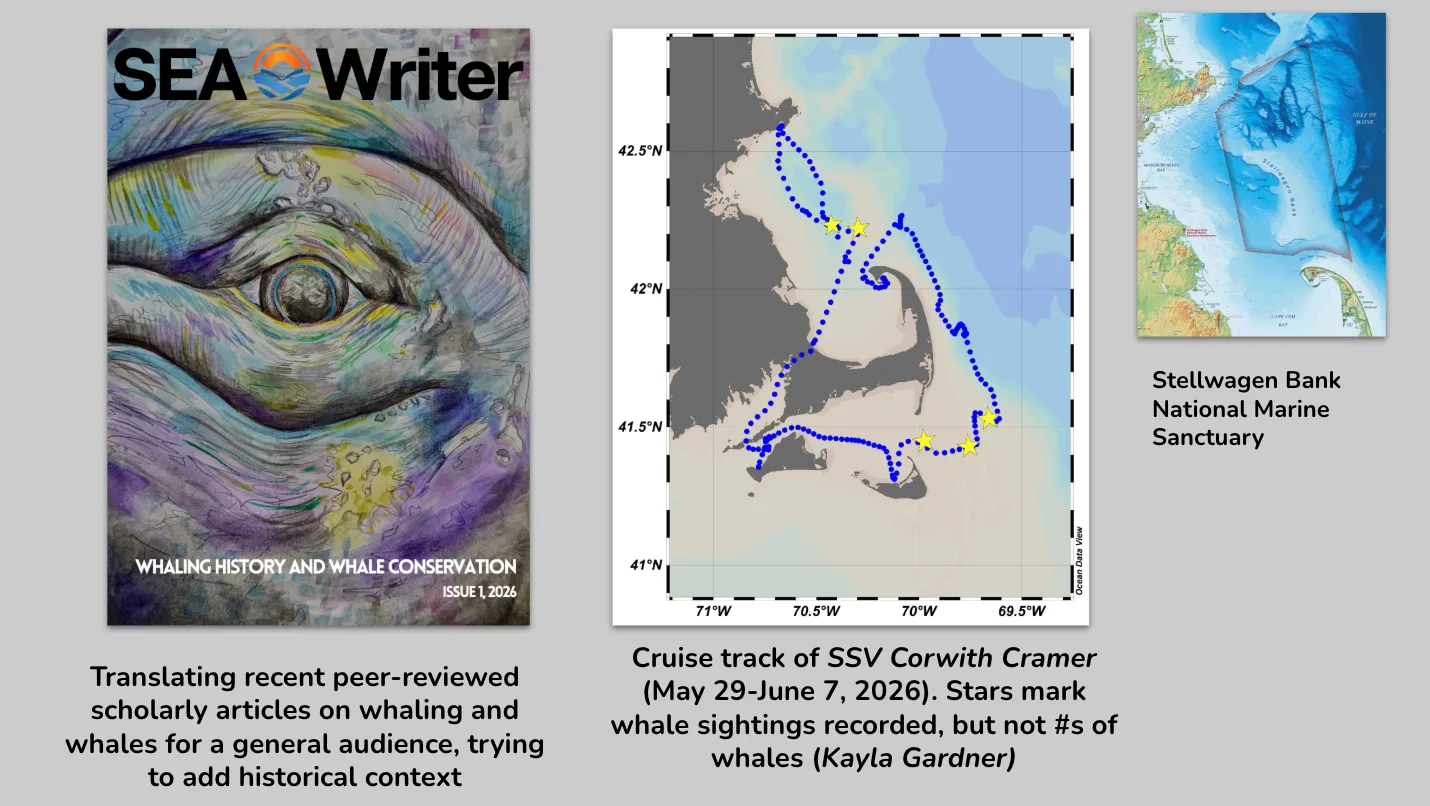
Today we say fair winds to the spectacular 2026 Whaling History and Whale Conservation group! This three-week program, with a voyage at sea to Cape Cod and the Stellwagen Bank National Marine Sanctuary, sandwiched by two weeks in Woods Hole before and after, was a brilliant success because the students brought such great community spirit, interdisciplinary intelligence, and academic curiosity!
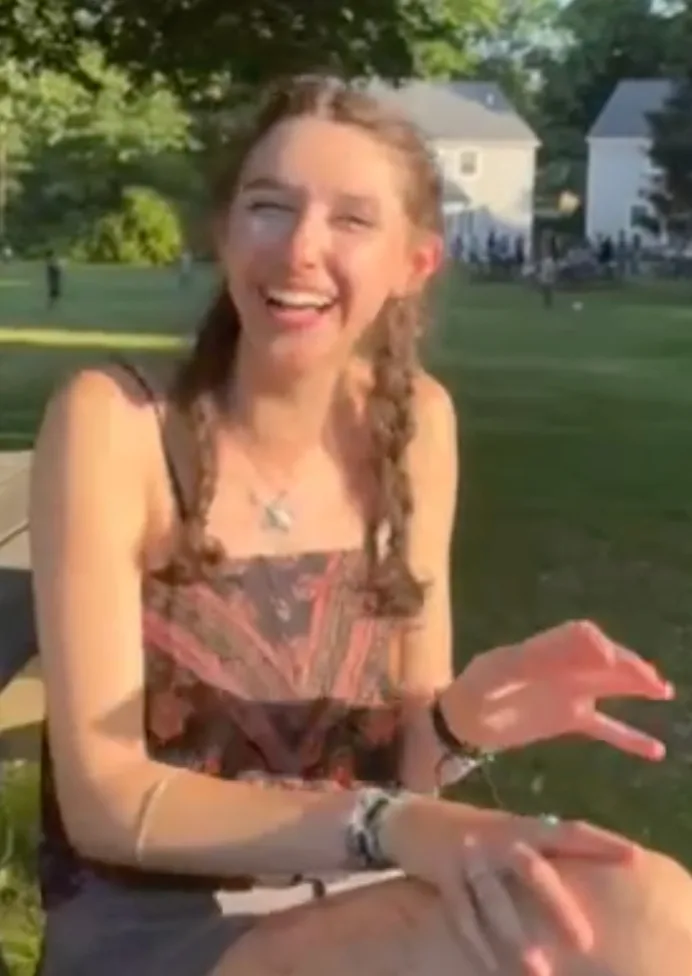
This blog has been composed of student interviews, most of which were conducted by student Camryn Hartigan. For this last entry, student Georgia flipped the phone around and interviewed Camryn.
Hi there! Can you tell us a little bit about where you’re from and what you study?
I am from Southborough, Massachusetts, but I go to school in Maine at Colby College. I am double-majoring in English and Environmental Policy with a Marine Science minor.
What brought you to SEA and to this program?
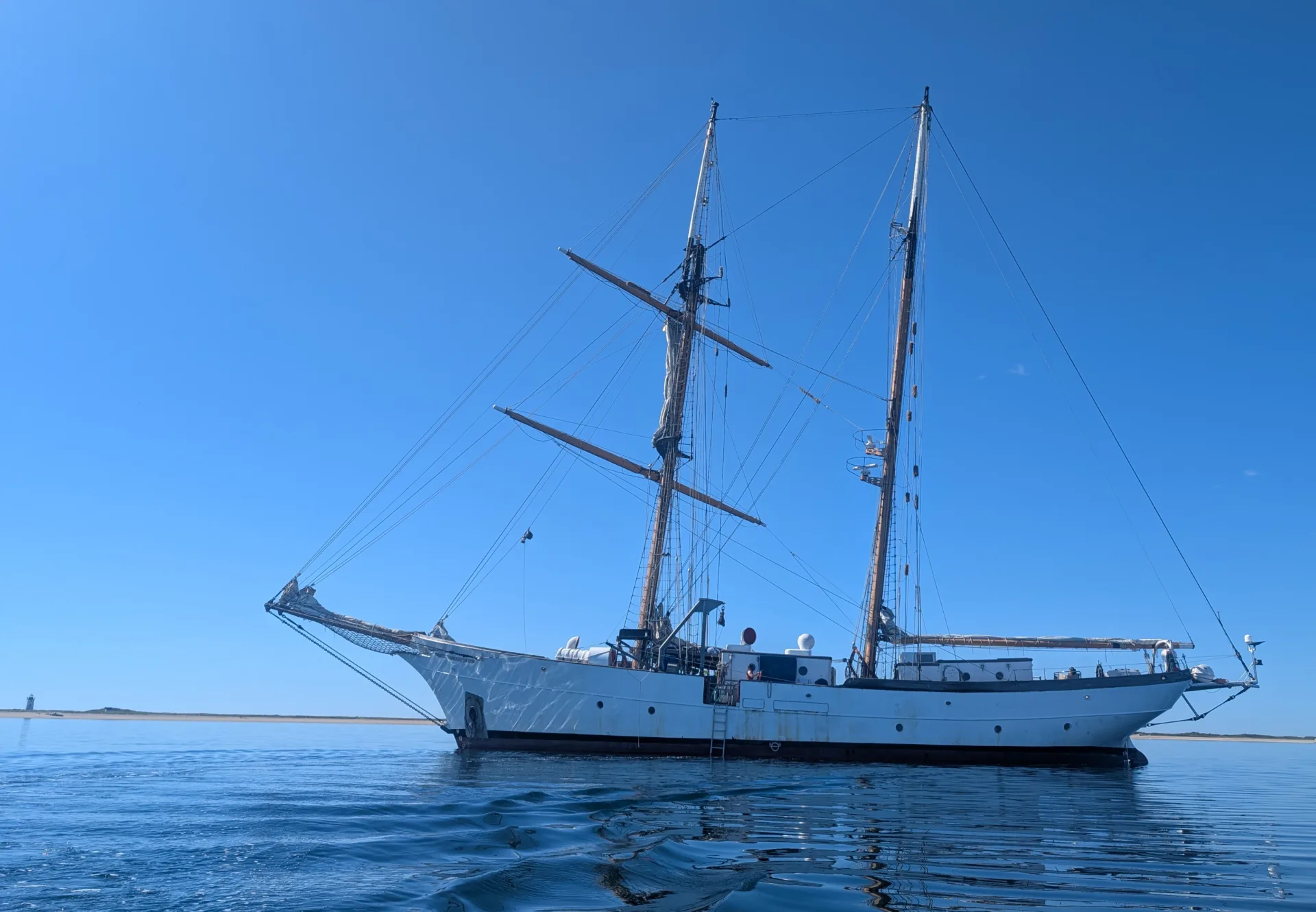
I’ve been really interested in the Woods Hole area for a very long time, and what first brought me here was way back in high school after my junior year. I did the SEA pre-college here. I just had so much fun just being around a scientific community and around Woods Hole. I couldn’t wait to do it again. And this program, the interdisciplinary aspect, the fact that it’s combining history and science, and also that there’s a sea component was just really exciting to me. So I decided to come back.
What was it like to do all these interviews?
It was so much fun! Obviously I got to know a lot of my classmates really well, we were in really close quarters, and I spent a lot of time talking to each of them. But it was a really unique experience to be able to individually ask every classmate kind of the same questions. Because it really gave a much better sense compared to these group conversations of how this experience differed person to person. It really gave me a sense of what experiences stood out and what made each person’s reason for being here unique. It was just really fascinating to be able to get to know people on that level.
Do you have any one thing that you really enjoyed learning about whaling history or whale conservation?
I was not anticipating that I would enjoy learning about this as much as I did, but I was really interested in the human aspect of the whaling industry. I grew up with whales being my favorite animal, and as a result I pretty much refused to learn about whalers themselves. And now that I’m here and listening to these lectures, I’ve really gotten a better sense of the individual motives, the individual lives of a lot of the early whalers. It’s really given me a greater perspective that I can bring to my future work in conservation, hopefully.
Did you have one really standout moment from our time aboard the Corwith Cramer?
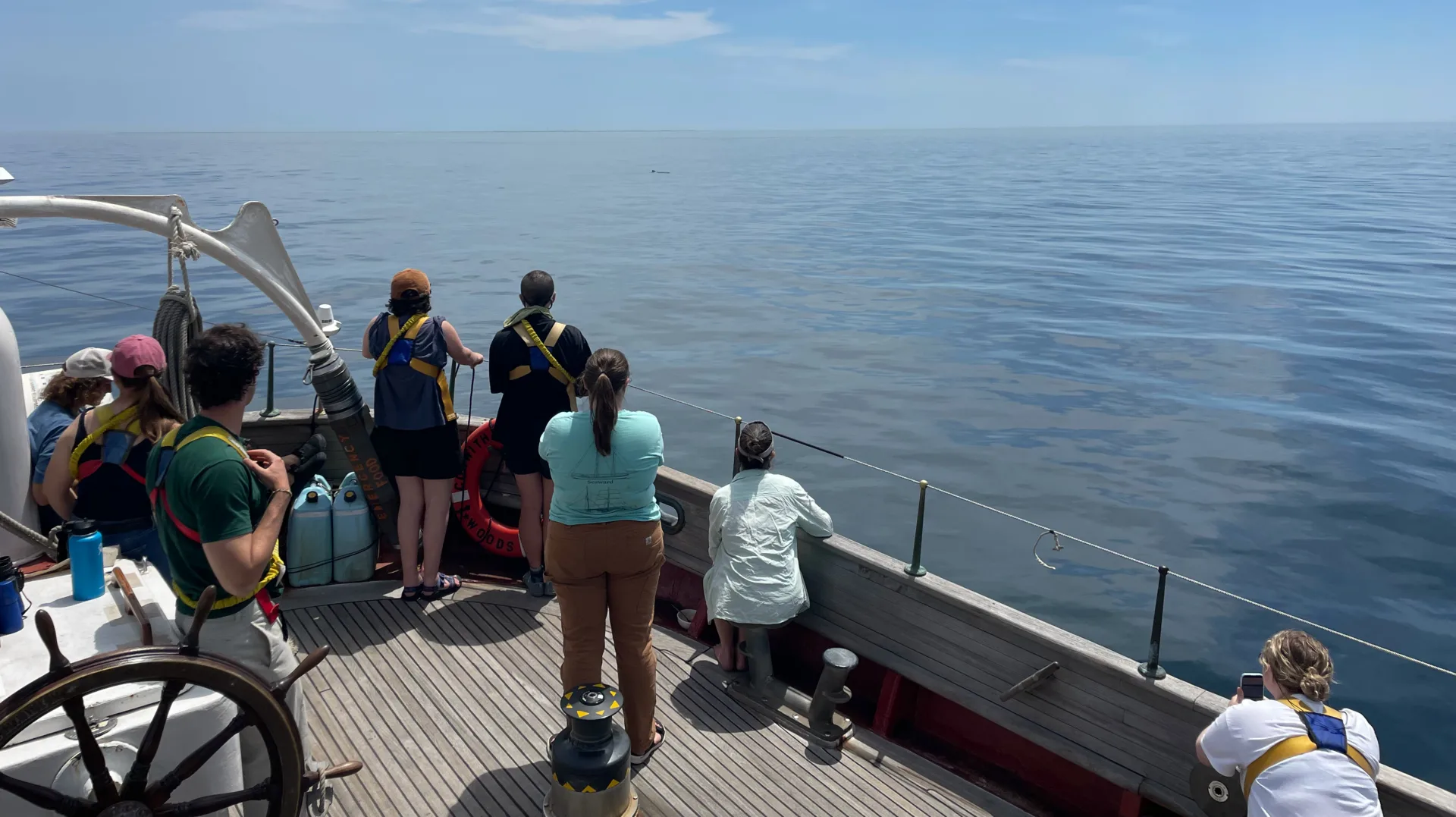
I have to say that my favorite moment was when I heard the whale song on the hydrophone. I felt really lucky because I just happened to be on the hydrophone during the one time we heard a whale vocalization, and it just felt really special because of how rare I knew it was.
I know that we’re up north, so whales aren’t singing as much as they do in their breeding grounds. We were around a bunch of ship traffic, and it just felt really rare and precious to be able to witness that. And yeah, I’ve had so much fun sharing that experience with all of my friends who weren’t as lucky as I was and in the right space at the right time. It was just so moving to be able to gain that experience from above the surface that I otherwise wouldn’t be able to.
What was today like?
Today was a big day for all of us because we were essentially bringing all of the work that we’ve been doing over the last three weeks into a five-minute presentation, which is really challenging. But it was really good practice in developing science communication skills. And it was just so much fun to consolidate everything I’ve learned through the article that I’ve been researching. Mine specifically is about noise pollution and a specific study that suggests that humpback whales actually sing more in the presence of intense noise pollution.
It was just really interesting to be able to share a story that I’m so fascinated by with a community of people who are just as interested by all these niche subjects about whales as I am. And it was so awesome to answer questions and to hear what other people were curious about. And after the symposium was over, the fun continued. We started cooking for our barbecue. We’re hosting the crew from our time on the Cramer. We’re going to eat dinner together and play some music and play some games, and we just have a great evening ahead. It’s bittersweet, but I’m excited.
—-
Each student will receive a compiled copy of these entry-interviews, and we’ll keep the videos for the SEA archives so they can watch these again at their 20th reunion! Stay tuned for their issue of SEA Writer magazine, which will be available online in a few weeks.
Thank you, students!