
Programs Blog
Climate Change Effects in Anguilla
Tuesday, March 24, 2026
Noon Position: 18o 22.30 64o 37.16
Log: 1110nm
Weather: Sunny, 31 o C
Location: Passing through Francis Drake Channel on the way to St John from Anguilla
Hello from the Sir Francis Drake Channel on our way to St John! We have just left Anguilla yesterday after two successful snorkel surveys, visits with the Anguilla National Trust and the Department of Natural Resources: Fisheries Division, and many fun days at the beach. We, Joey and Amanda, are going to talk a bit about climate change effects and restoration efforts that we have learned about Anguilla.
On shore, we learned that Anguilla has gone through a few negative reef health events, including stony coral tissue-loss disease, coral bleaching, diadema urchin die-off, and intense hurricanes like Lenny (1999) and Omar (2008). They face issues such as being highly vulnerable to climate change, economically dependent on fisheries, impacted by pollution, overfishing, coastal development, and more. This makes the susceptible to destruction of coral reefs such as bleaching due to high sea surface temperatures, loss of mangroves and wetlands, increased coastal erosion and runoff, increased competition for coastal lands, and other negative effects. However, they have some solutions put into place such as planting mangroves, enforcing seasonal bans on fishing, following local regulations to protect coral reefs, coral restoration, and other regulations.
While in Anguilla, we talked to the Anguilla National Trust and the Fisheries Division of the Department of Natural Resources (DNR) where they talked about some conservation projects. Our hosts mentioned that some of their most pressing issues were the rapidly decreasing fish populations, increased tourism leading to damaged coral reefs and ecosystems, and struggles with regulating fishing. Additionally, they face funding issues as the government or international organizations are slow in approving their projects, which can exacerbate the negative effects of climate change as the damage is left to expand across the reef or bay. Both organizations have strategies in place to combat the local stressors and climate change effects. We learned that the Anguilla National Trust is replanting mangroves in the salt marshes on their island. Clarissa Lloyd told her story about how she planted trees for them when she first graduated school and now can see the change in environment and size of mangroves they planted years before. The other restoration project they were working on is removing invasive species and replanting noninvasive species back, then closing off a certain area with no invasive species and watching the life grow and flourish in their home environment. They mentioned that community led actions are often easier to put into action as they are passionate about their local environments. For example, one community protested against a bay being turned into a marina, and successfully raised awareness about their issues. These two restoration efforts sounded very successful, and it was cool to see how effectively they were able to rally local support for these projects and not have to wait a long time for approval before acting on conservation projects. We also talked to the DNR about their conservation projects, too. The first that stood out was their shark monitoring systems. They tagged different sharks on the reef and tracked their movements across the islands. This allows them to know shark behavior and be able to protect the sharks from vessels that may hurt them. They showed examples of different types of tags that you can do for sharks, turtles, and other larger mammals and invertebrates. We also found that they use AI to listen to bat, insect, and bird noises for identifying what species are present and vocal, which is an innovative way to incorporate new technology into conservation methods. When we asked how well the recording works, they said it works well for birds and bats and are still working on insect sounds.
Additionally, they also monitor MPAs in Anguilla, which are Marine Protected Areas where they enforce regulations on fishing, anchoring, and many other rules to help keep these places safe like putting in moorings or controlling fishermen’s catches. For example, they banned the taking of sea turtles and crayfish and limited the size of the fish that locals are allowed to catch. They also manage the size and types of vessels that can anchor at MPAs, which will further protect the reefs from damage. They have been monitoring the MPAs since 2014 but have had delays on actions due to stakeholder needs. To combat the effects of climate change, both the Fisheries and National Management and The National Trust incorporated community engagement into their projects, such as taking care of baby turtles or mangrove planting. They found that community events such as these are helpful as they teach the younger generation about the importance of environmental protection and how climate change is devastating their local ecosystems. The Fisheries and National Management also started growing tilapia, which don’t require much water usage as Anguilla is a drier island, as a substitute for catching parrotfish as bait. This protects the fish populations further, which strengthens the ecosystems leading to healthier reefs and mangroves, and thus could lead to protection against climate change and other local stressors.
During our snorkel plan, we were surprised to see that Sandy Hill Bay, which is unprotected, was filled with Sargassum and benthic algae, leading to much coral die-off and small fish populations. This could be an effect of poorly managed fisheries in the past and development. There was a construction site right next to the bay, leading us to speculate that run-off or sediment from such development projects are harmfully affecting the reef health and exacerbating climate change effects. Even more surprising is that Shoal Bay, a marine protected area, was filled with tourists and villas. The whole stretch of the beach were villas and restaurants catered to international tourists, rows and rows of umbrellas and beach chairs, and endless tourists enjoying the teal water. This shows that even if areas are labelled MPAs and is protected, there can still be negative impacts from underregulated economic development, and enforcement of regulations is a challenge on this island, too.
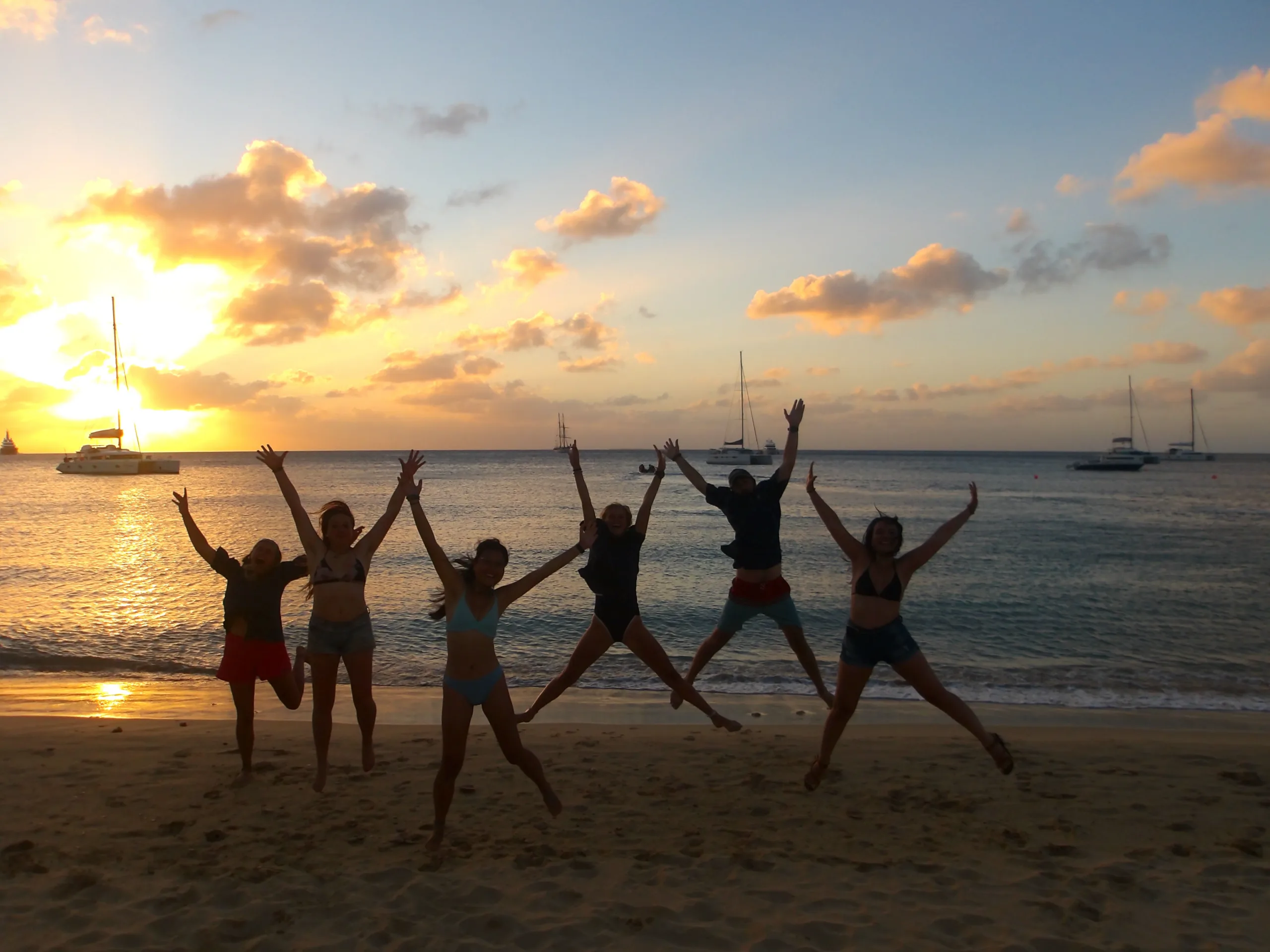
Overall, Anguilla was an amazing experience, and we learned a lot from the different and interesting things about conservation and island life by visiting. Not only did we get to snorkel and see the reefs, but we also learned a lot from the tours and talks from these organizations. Thank you to everyone we met in Anguilla!
Shoutouts: Sending to love to our family and friends at home, see you all soon!
Joey Cincotta, B Watch, Roger Williams University, and Amanda Shiu, A Watch, Brandeis University
Recent Posts from the Ships
- Ocean Classroom 2024-A collaborative high school program with Proctor Academy
- Collaborations and Long-term Commitments: SEA’s Caribbean Reef Program Sets a Course for Coastal Programs that Compliment Shipboard Experiences.
- Sea Education Association students prepare for life underway using state of the art nautical simulation from Wartsila Corporation.
- SEA Writer 2022, Magazines From the Summer SEA Quest Students
- Technology@SEA: Upgrades Allow Insight into Ocean Depths
Programs
- Gap Year
- Ocean Exploration
- High School
- Science at SEA
- SEA Expedition
- SEAScape
- Pre-College
- Proctor Ocean Classroom
- Protecting the Phoenix Islands
- SPICE
- Stanford@SEA
- Undergraduate
- Climate and Society
- Climate Change and Coastal Resilience
- Coral Reef Conservation
- Marine Biodiversity and Conservation
- MBL
- Ocean Exploration: Plastics
- Ocean Policy: Marine Protected Areas
- Oceans and Climate
- Pacific Reef Expedition
- The Global Ocean: Hawai'i
- The Global Ocean: New Zealand