
Programs Blog
Nobel Prizes & Plankton Tows
Pre-College Marine Biology
SEA Campus
8/11/2026
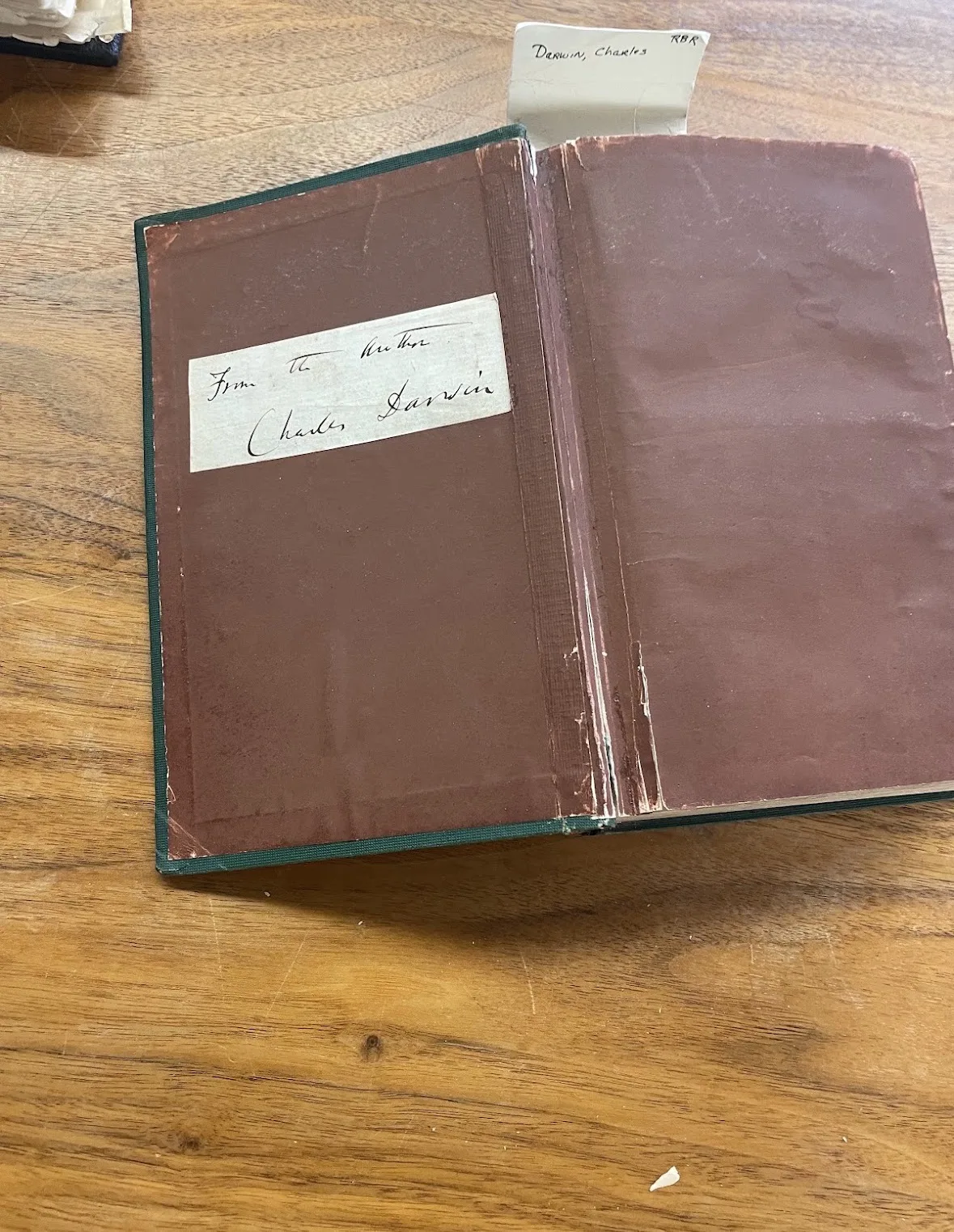
Today, we ventured into Woods Hole to explore the many marine research institutions that this town holds. We began the morning in the Marine Biological Laboratory’s (MBL) library to see some of the rare wonders this place holds. Some of these treasures included a 6th edition of the Theory of Evolution with the signature of Charles Darwin and several other rare books with amazingly detailed artwork and some (potentially) mythological creatures. As the title may suggest we were also able to hold a Nobel Prize won in 1933 by Thomas Hunt Morgan research on fruit flies and the discovery of how genes are passed down through chromosomes. After a fair amount of geeking out over seeing Charles Darwin’s signature, we headed to another MBL building where they keep the marine research animals. We got to see a wide variety of sea creatures from invertebrates like sea stars and squid to cartilaginous fish like rays and even dogfish.
Following our amazing experiences at MLB, we were met by a WHOI (Woods Hole Oceanographic Institution) tour guide, for a dock tour. He started by showing us several types of preserved marine animals in jars including Antarctic and Arctic krill. Then he took us through one of the WHOI buildings and talked to us about their discoveries using submersibles including the unmanned submersible Argo that discovered Titanic in 1985. We made our way through the rest of the building and out to the docks before we were led a few blocks away to a large metal ball that we had passed by on our previous trips to Woods Hole. This large metal ball is actually called Alvin, a spherical metal research submersible that could fit three people inside and would be submerged for nine hours at a time!
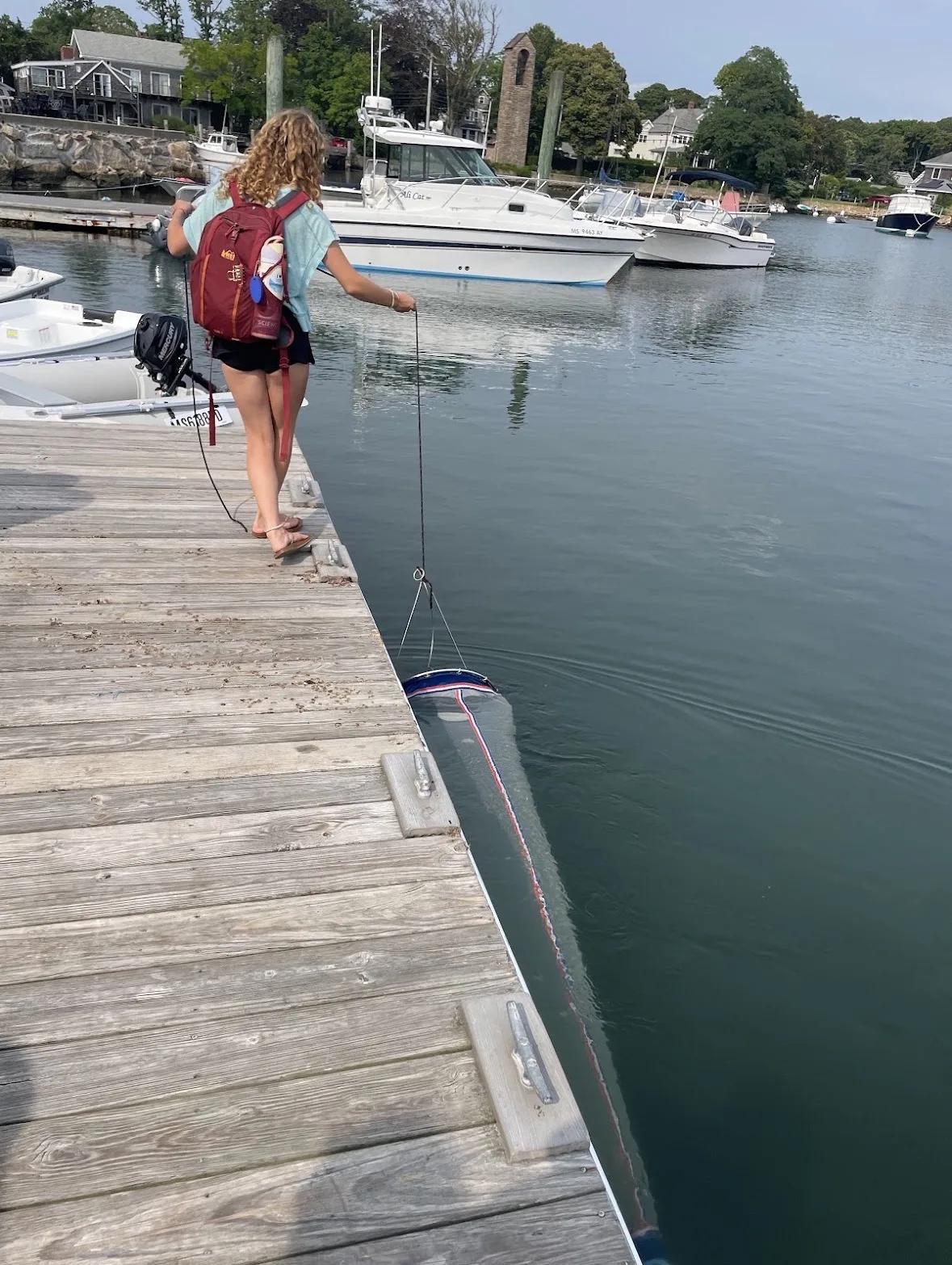
After a short break, we split into groups to do plankton tows! These tows involve using a long net with a “cod end,” which is a wide-necked plastic bottle which attaches to the narrow end of the net in order to catch organic material. The plankton tow took 15 minutes to complete with the person towing the net switching off every five minutes. The person holding the rope attached to the net would walk back and forth along a dock keeping the net at a consistent pace and depth. While the tow was underway, another group recorded the water temperature, pH, oxygenation levels and salinity, and the final group recorded observations about the day’s conditions. One of these conditions that worked slightly against us was the wind. While we were able to complete the tow without much trouble, after removing the cod end to pour the contents into a sieve to strain out the excess water and transfer the organic matter into a jar, the cod end unfortunately flew off the dock and into the water. After several failed attempts to retrieve it, the rescue mission was aborted.
To end off our day in Woods Hole we visited the WHOI Discovery Center. The discovery center is an interactive museum to help educate kids about marine research and conservation. They have displays about the discovery of the Titanic, sharks and so much more! This center is so amazing because it helps teach kids to care about our planet so maybe one day they can protect it.
Once we got back to campus the groups working on plankton research headed straight into the lab to start processing the plankton samples. We started by pouring the contents of the jars back into the sieve and removed all the plant matter to be discarded. Then we took out any gelatinous organisms larger than two centimeters and measured their volume using a graduated cylinder with a little bit of water, then adding the organisms and recording the displacement of the water. Then we did the same with the remaining organisms in the sieve, measuring their biovolume before transferring about 1 ml into a petri dish to be examined under a microscope the next day.
Overall, it was a great but very busy day. We saw so many amazing things and learned a lot about the scientific community in Woods Hole!
Cece Curry
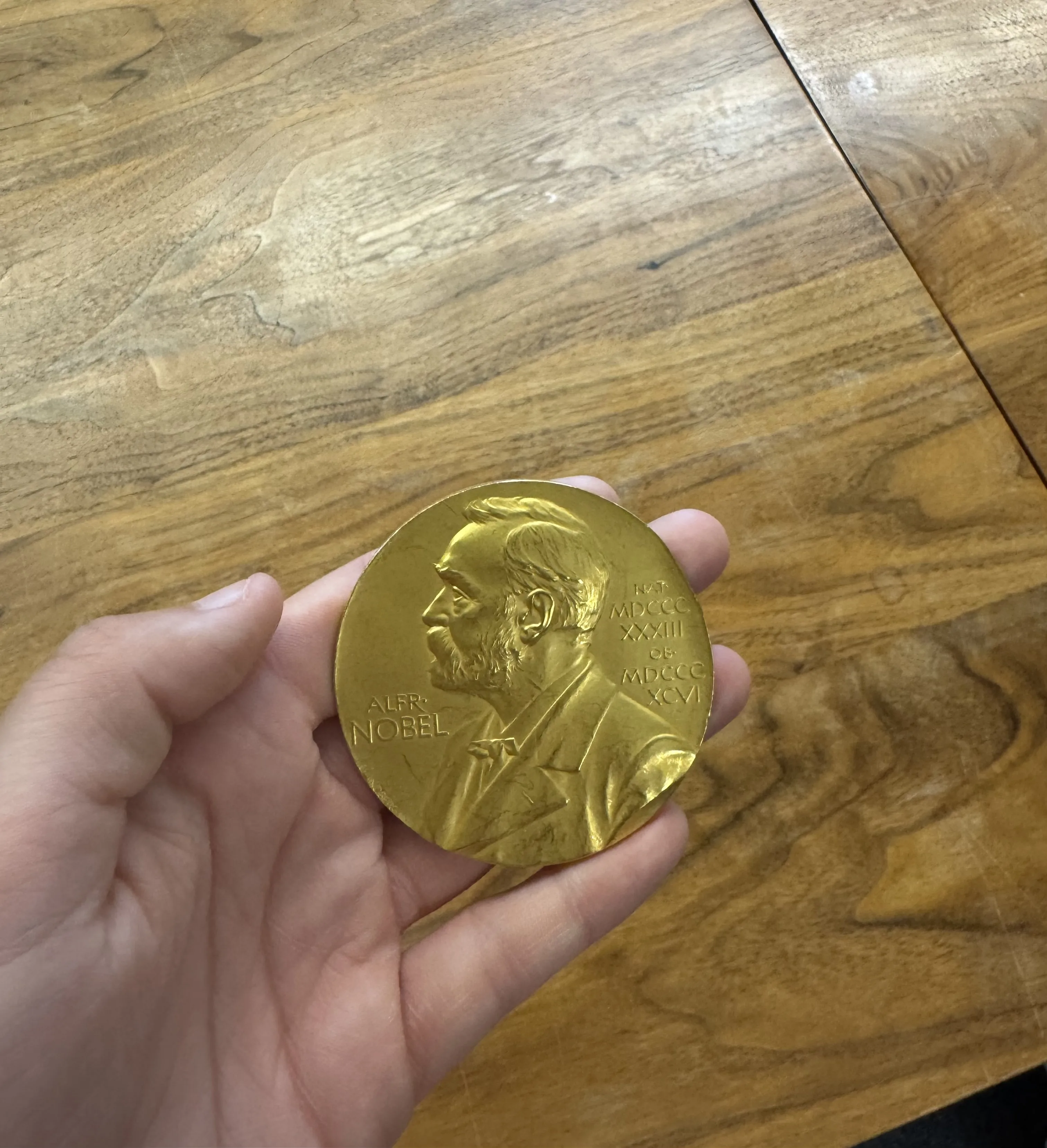
Thomas Hunt Morgan’s 1993 Nobel Prize
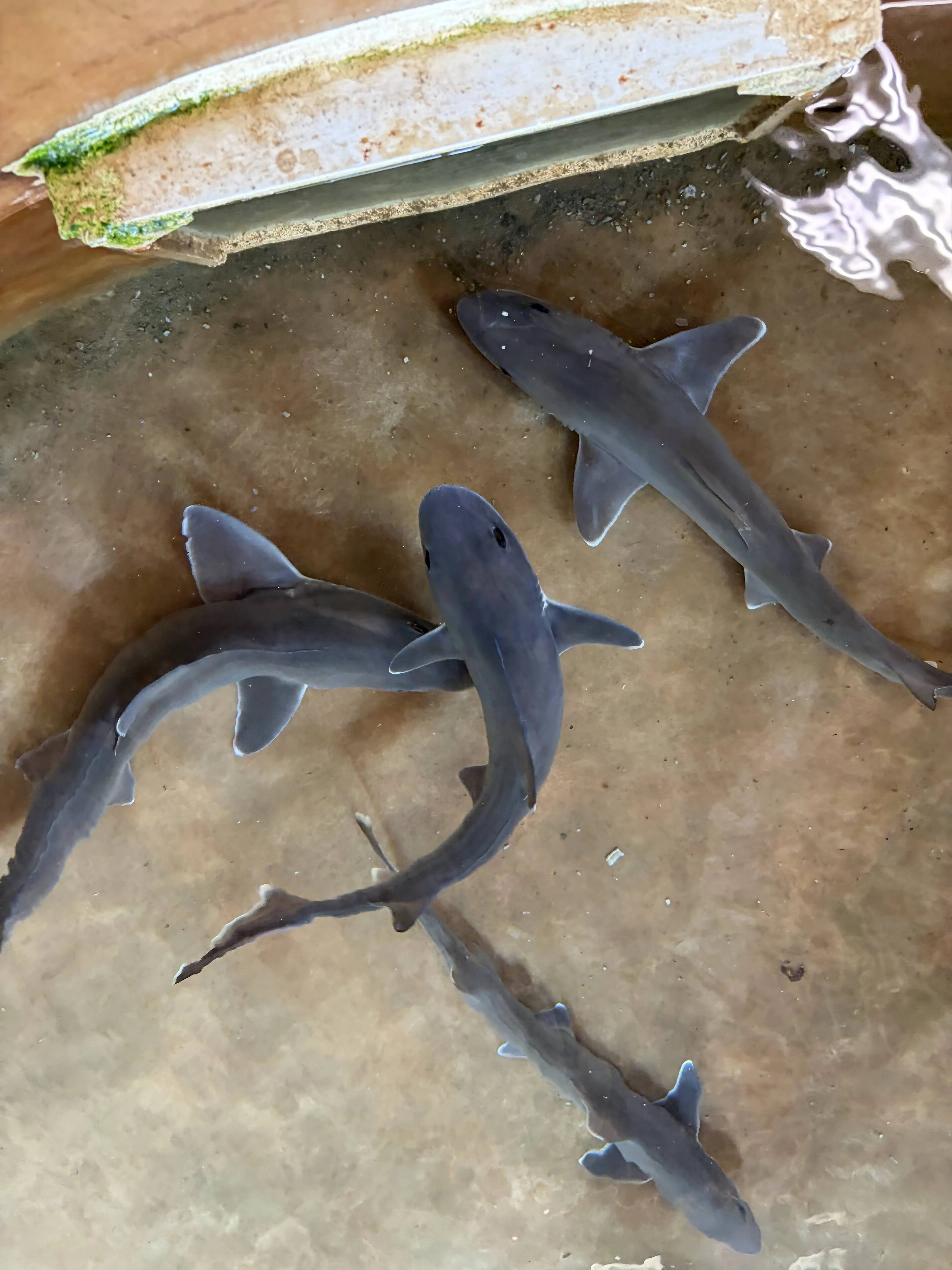
Smooth Dogfish
Recent Posts from the Ships
- Ocean Classroom 2024-A collaborative high school program with Proctor Academy
- Collaborations and Long-term Commitments: SEA’s Caribbean Reef Program Sets a Course for Coastal Programs that Compliment Shipboard Experiences.
- Sea Education Association students prepare for life underway using state of the art nautical simulation from Wartsila Corporation.
- SEA Writer 2022, Magazines From the Summer SEA Quest Students
- Technology@SEA: Upgrades Allow Insight into Ocean Depths
Programs
- Gap Year
- Ocean Exploration
- High School
- Science at SEA
- SEA Expedition
- SEAScape
- Pre-College
- Proctor Ocean Classroom
- Protecting the Phoenix Islands
- SPICE
- Stanford@SEA
- Undergraduate
- Climate and Society
- Climate Change and Coastal Resilience
- Coral Reef Conservation
- Marine Biodiversity and Conservation
- MBL
- Ocean Exploration: Plastics
- Ocean Policy: Marine Protected Areas
- Oceans and Climate
- Pacific Reef Expedition
- Plastics and Biodiversity in the Sargasso Sea
- The Global Ocean: Hawai'i
- The Global Ocean: New Zealand
- The History of Whaling & Whale Conservation