
SEA Expedition
SEA Expedition
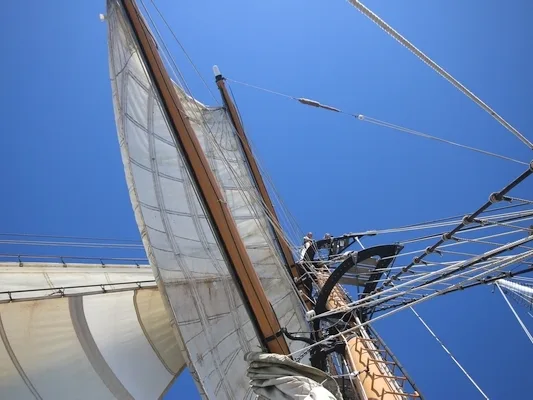
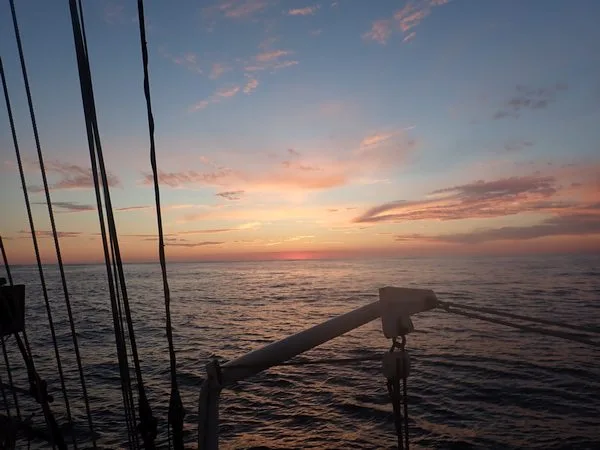
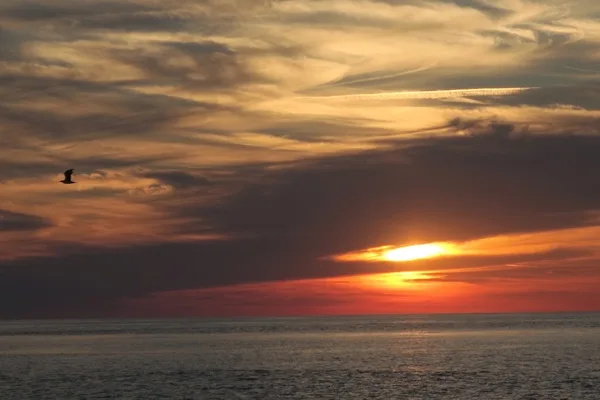
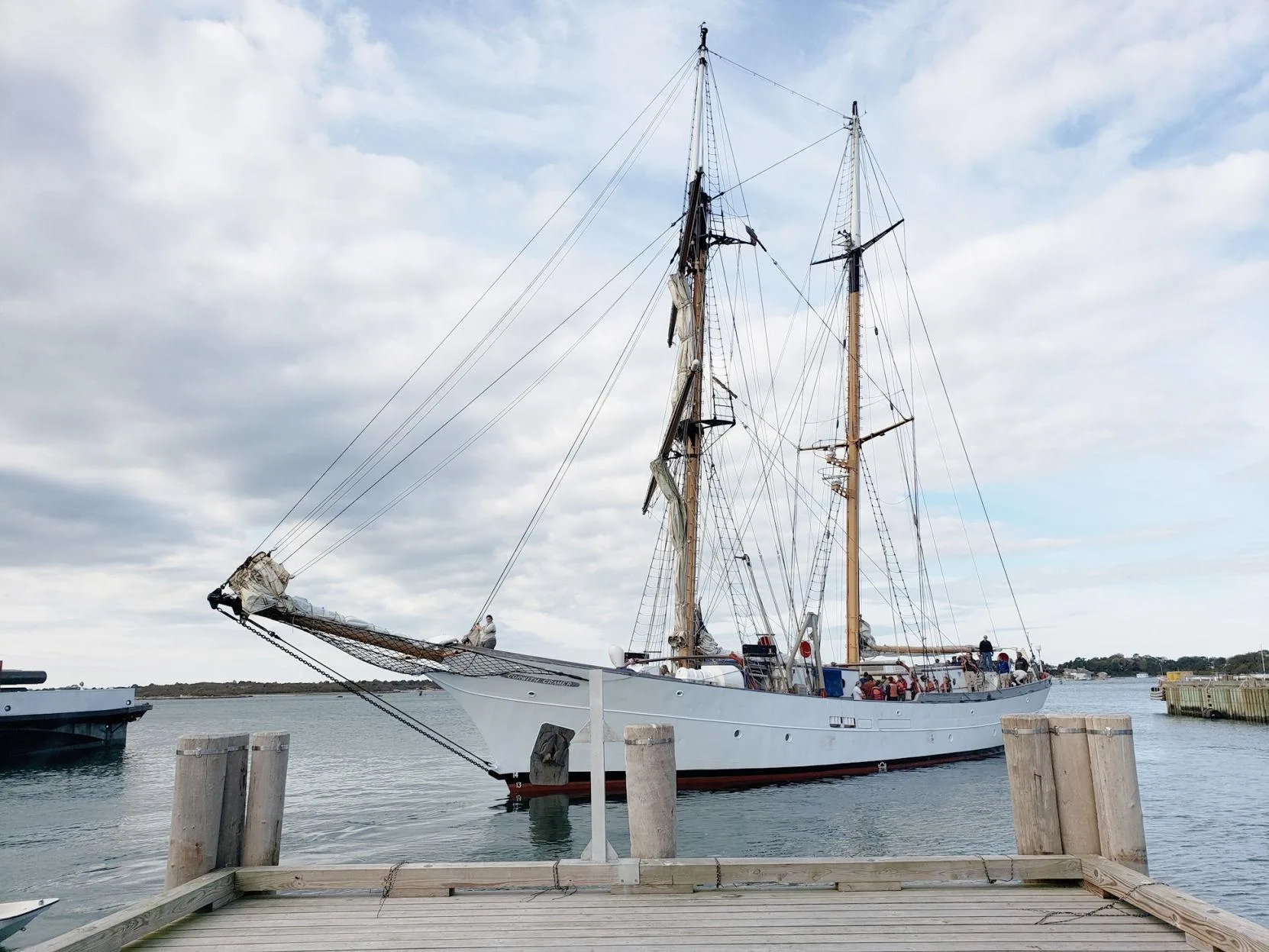
Spend two weeks as crew aboard SSV Corwith Cramer, sailing Cape Cod Bay, Stellwagen Bank National Marine Sanctuary, and the Gulf of Maine. Learn navigation and sail handling while deploying oceanographic equipment to monitor marine protected areas. Your data contributes to ongoing biodiversity monitoring for rare and endangered whales, turtles, and seabirds—no sailing experience required.
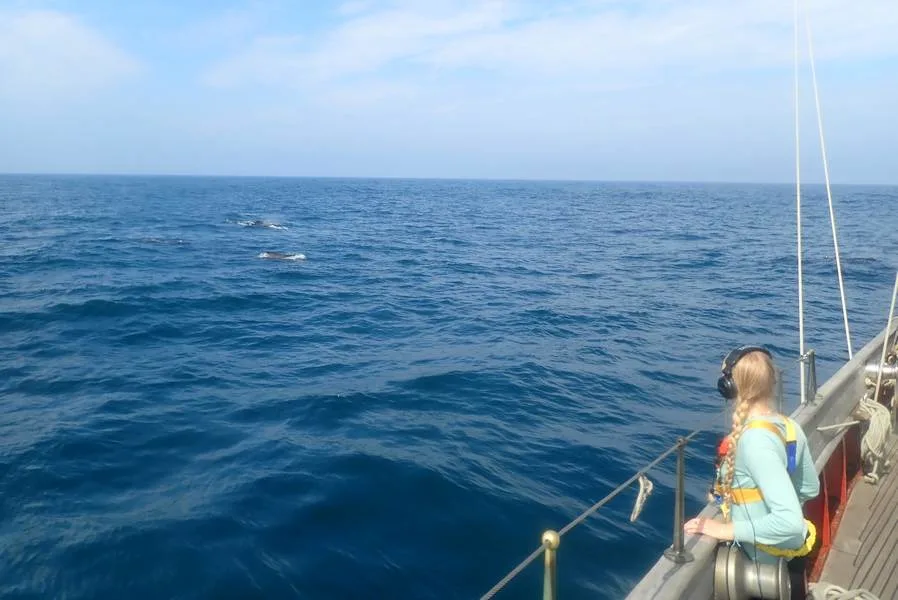
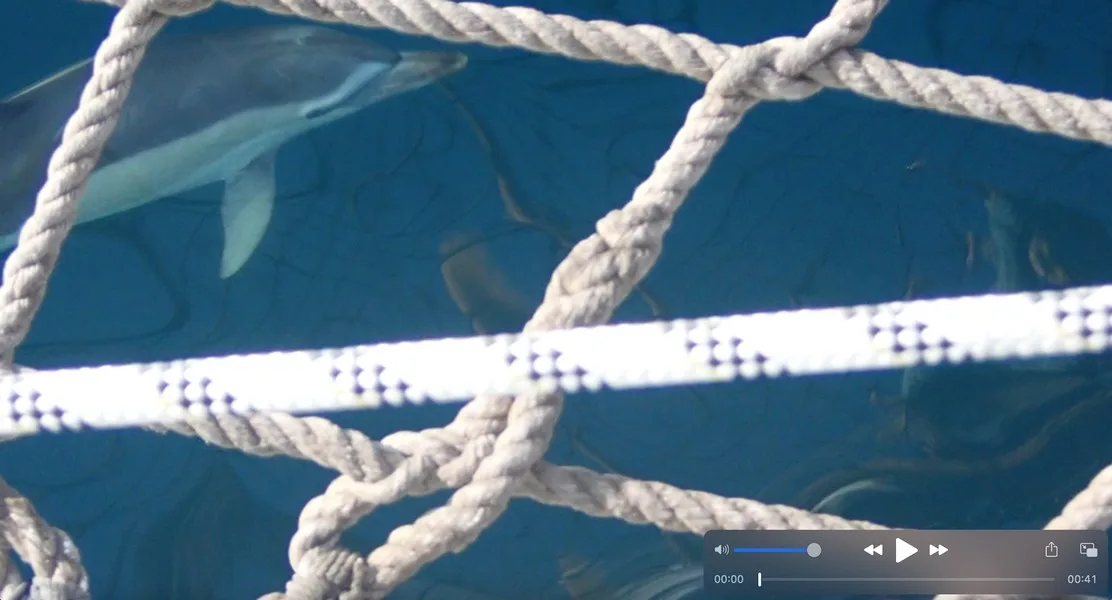
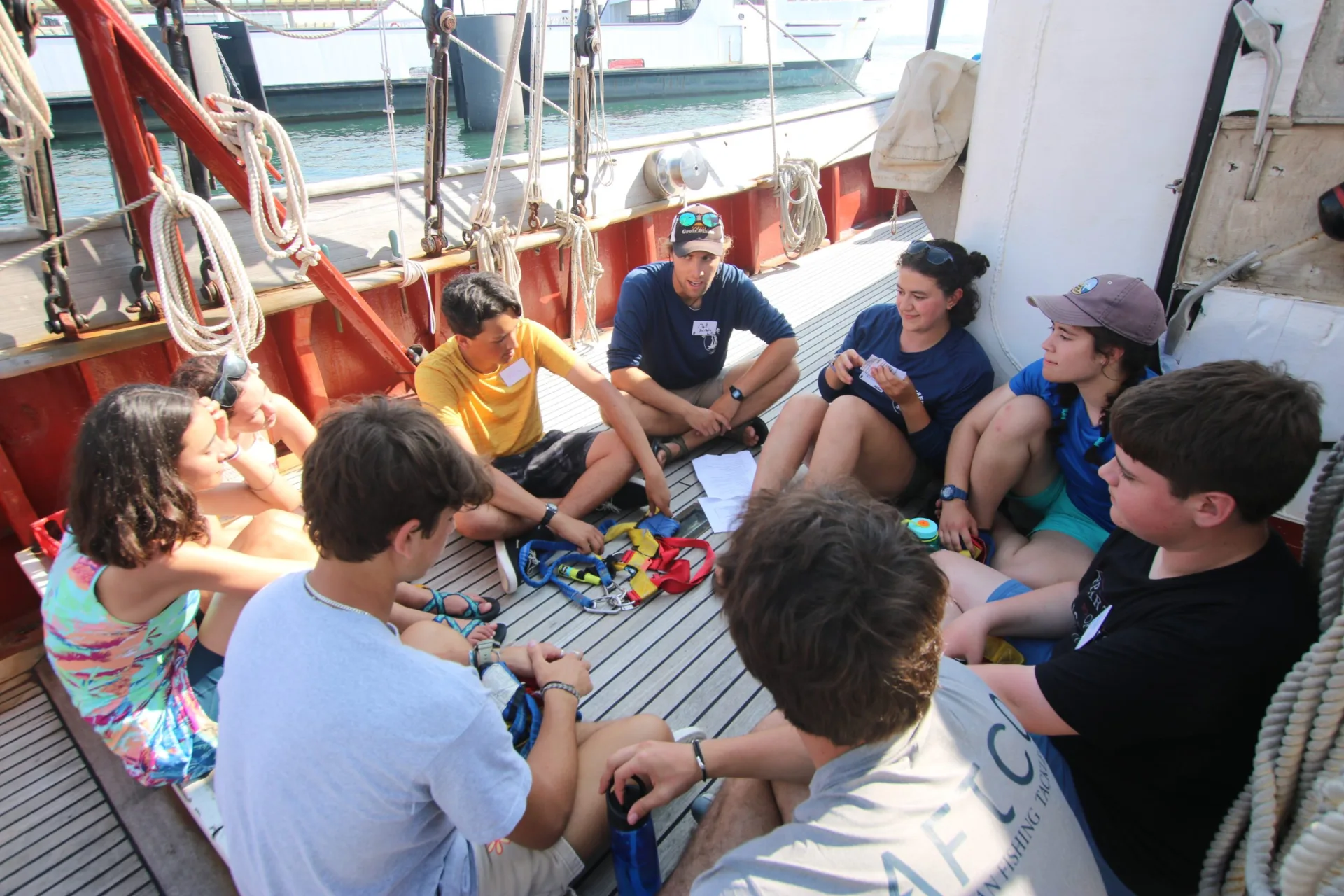
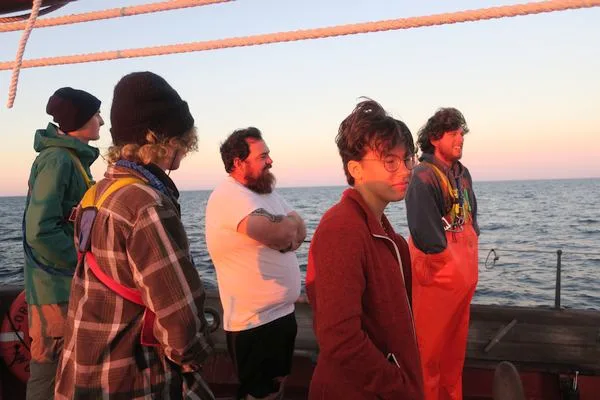
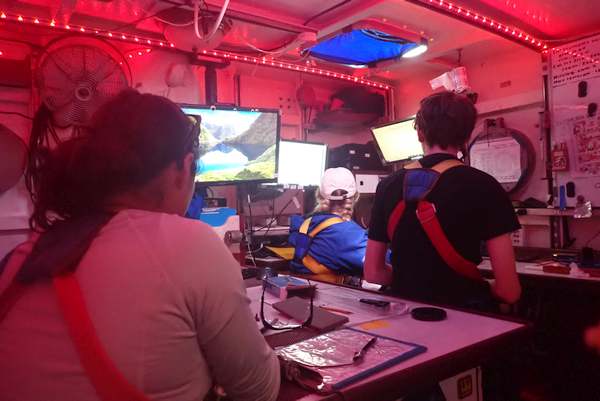
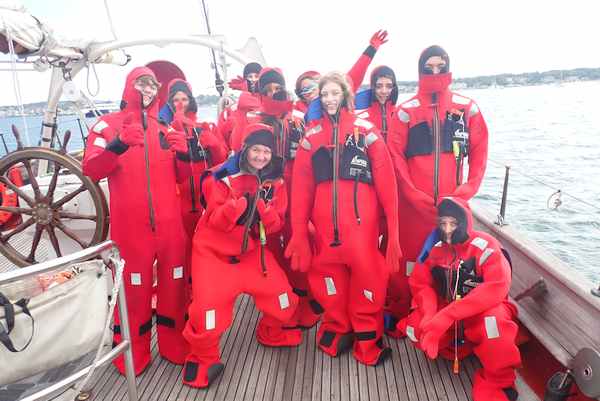
Under the supervision of SEA’s professional scientists and USCG-licensed officers, you’ll stand six-hour watches responsible for sail handling, lab activities, science deployments, and navigation, with 12 hours off-watch for sleep, meals, and watching for humpback whales, fin whales, dolphins, and sharks. Open to rising high school sophomores through recent graduates.
Sessions 1 and 2 are currently full. New applications will be added to the waitlist for those sessions.
Program Cost: $7,500
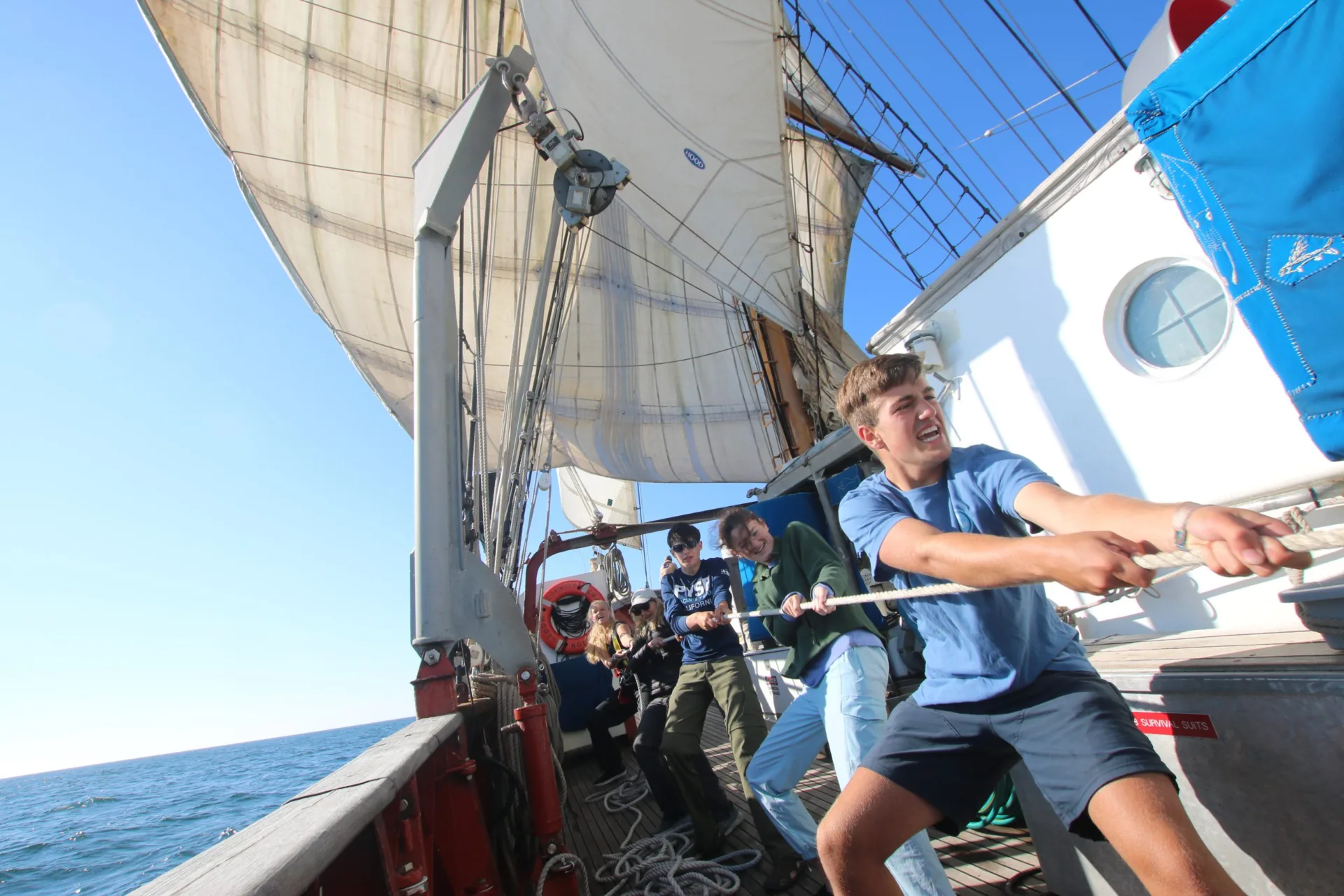
Learning Objectives
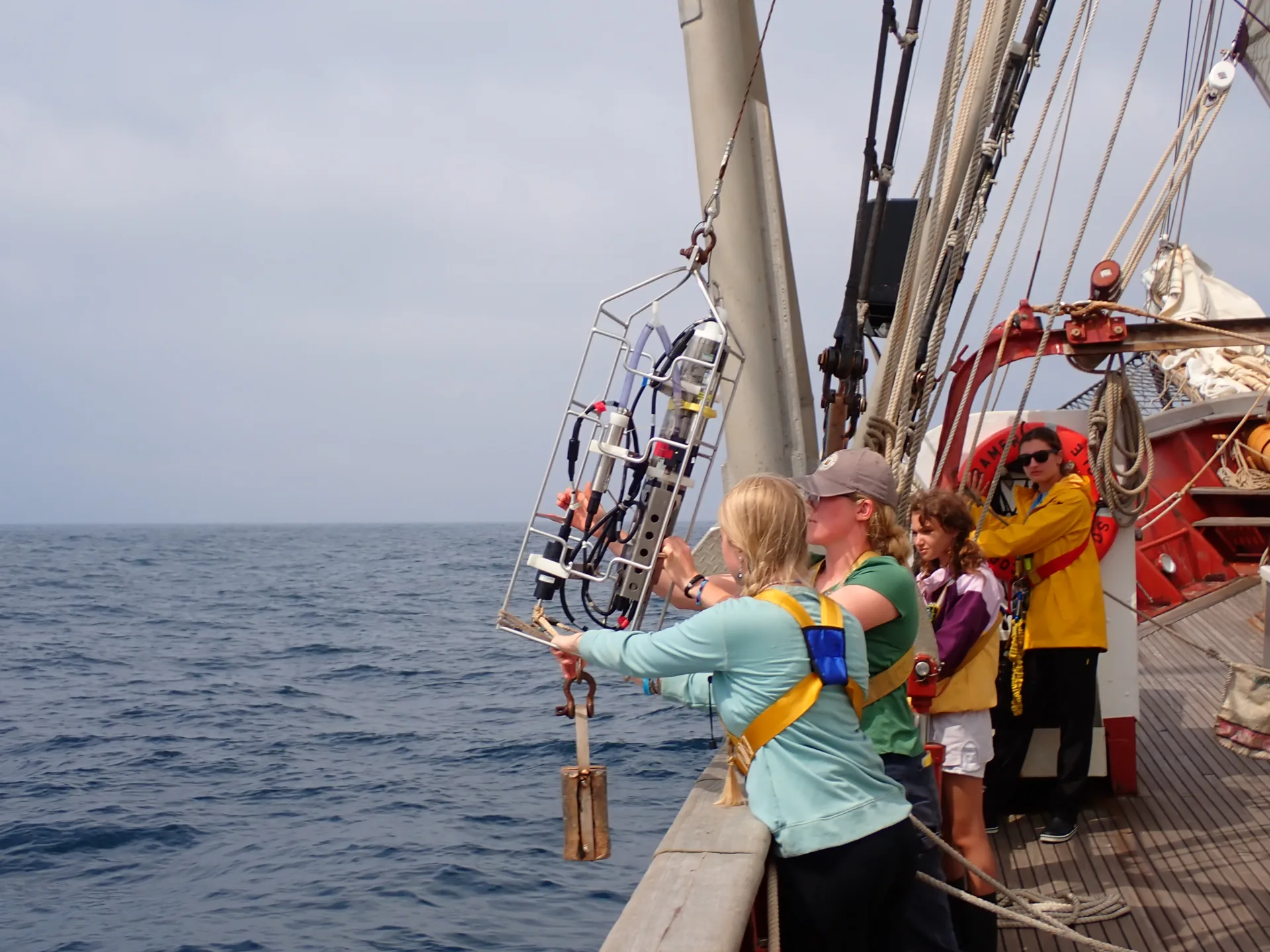
Deploy Oceanographic Research Equipment
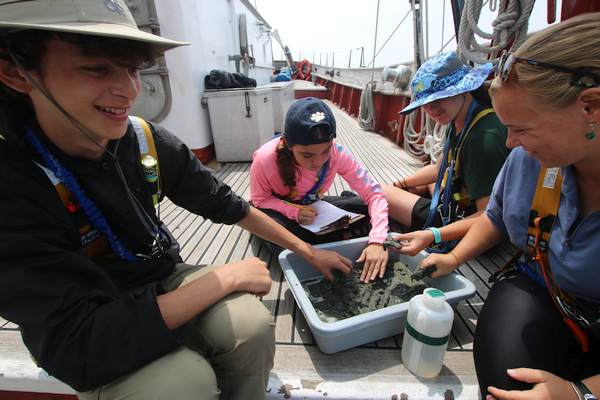
Collect sea temperature and salinity measurements, sediment samples, and biodiversity data using scientific instruments. Conduct neuston tows to sample surface organisms and record visual and acoustic whale observations. Contribute to cumulative datasets monitoring marine protected areas including Stellwagen Bank and Georges Bank.
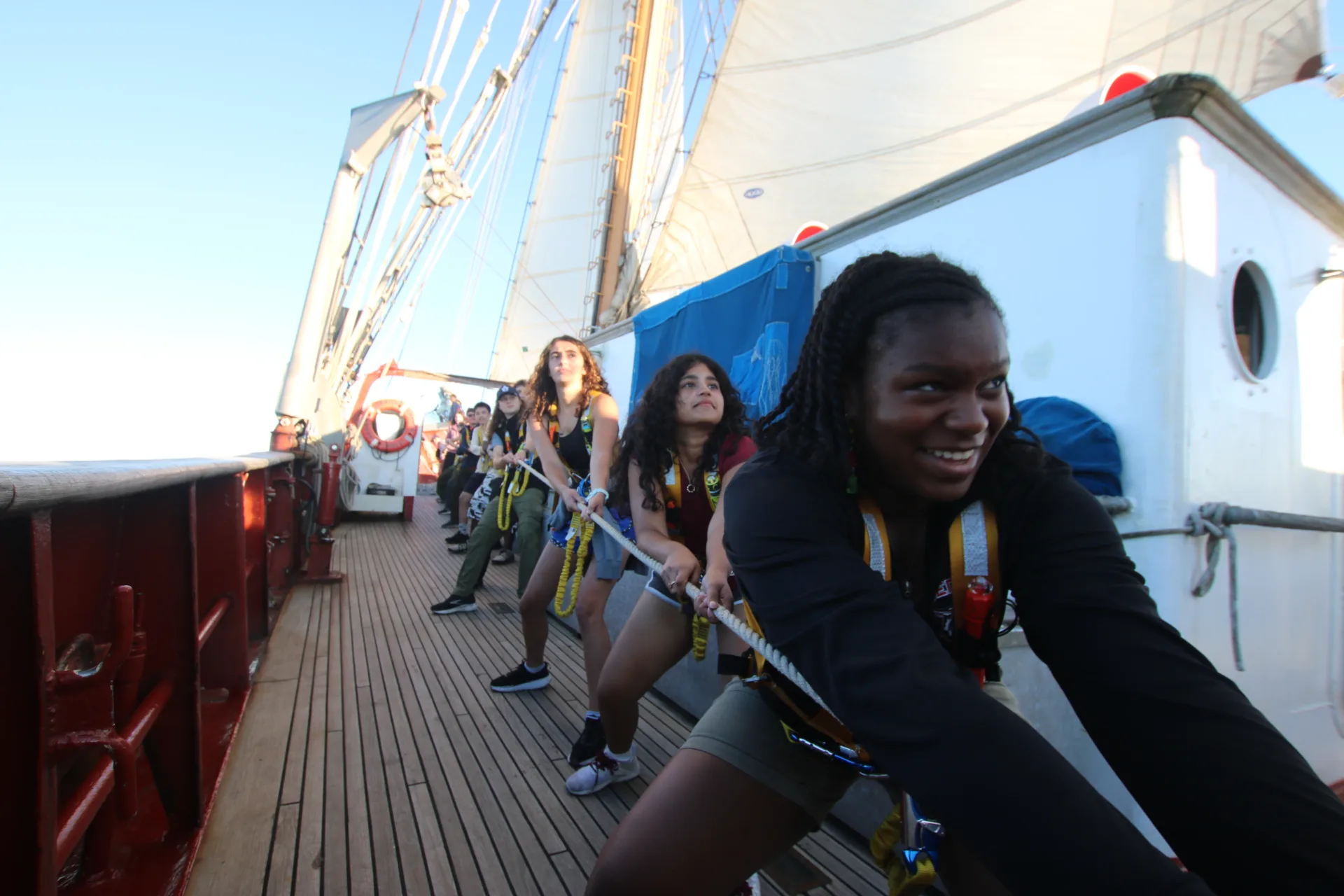
Operate a Sailing Research Vessel
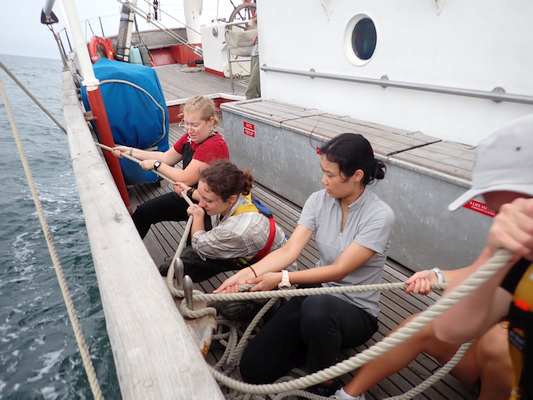
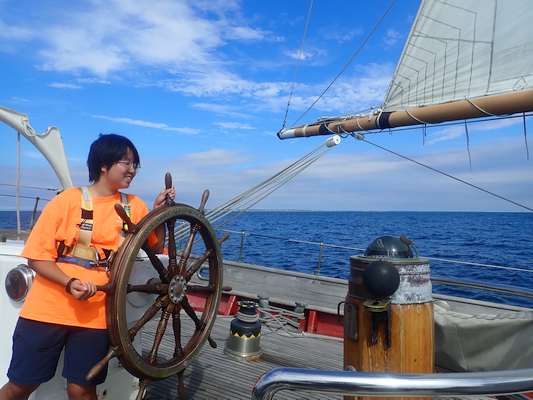
Stand watches, handle sails, and navigate using charts and celestial observations as part of the ship’s crew. Learn rope work, sail trim, and watch leadership from USCG-licensed officers. Take progressively more responsibility for ship operations throughout the two-week voyage.
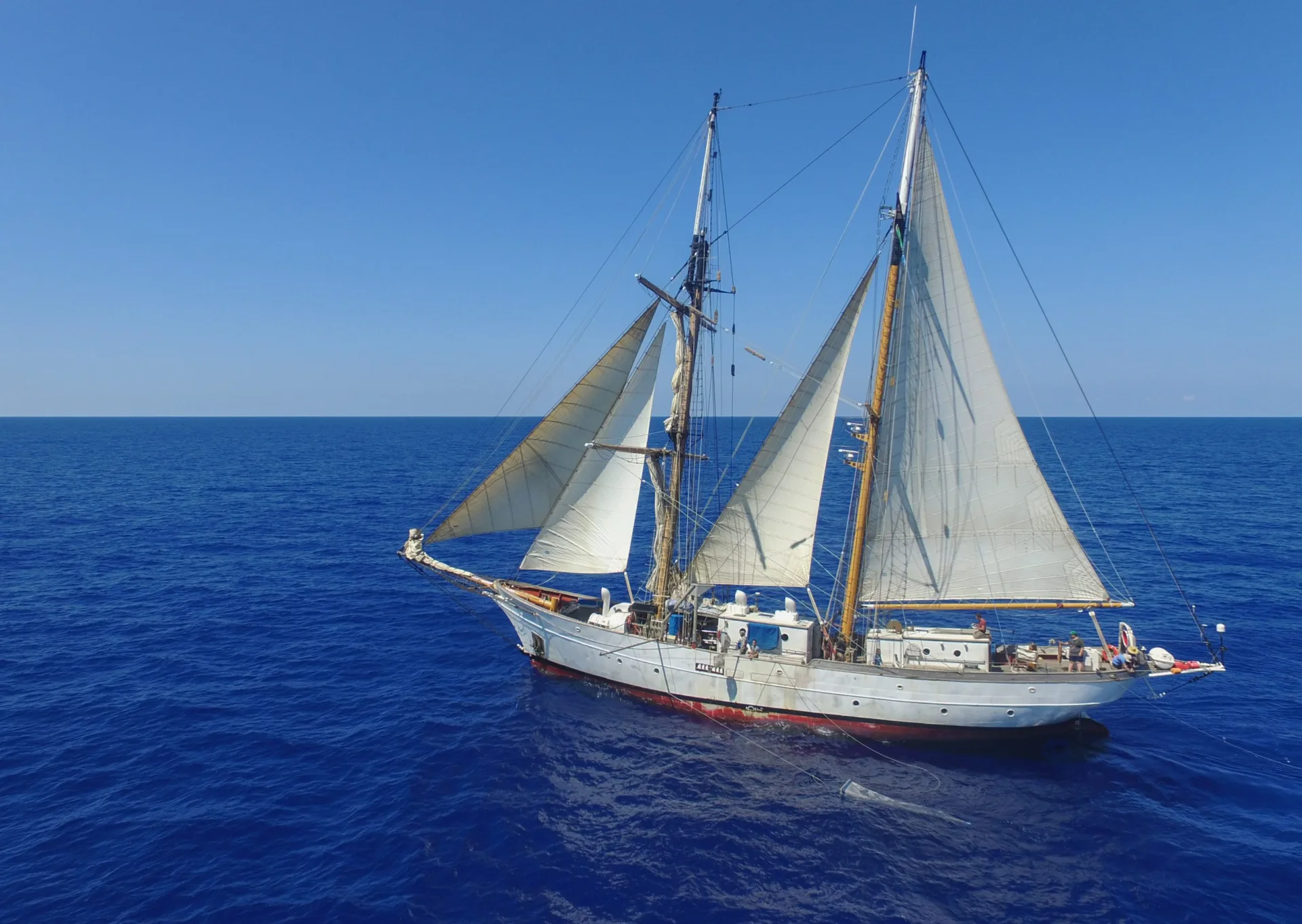
Navigate New England's Offshore Waters
Sail from Cape Cod Bay to the edge of the continental shelf, experiencing different marine environments from nearshore to open ocean. Learn how these ecosystems support marine life and why they’re designated as protected areas. Connect scientific observations to the history and policies protecting these waters.
Stories at sea
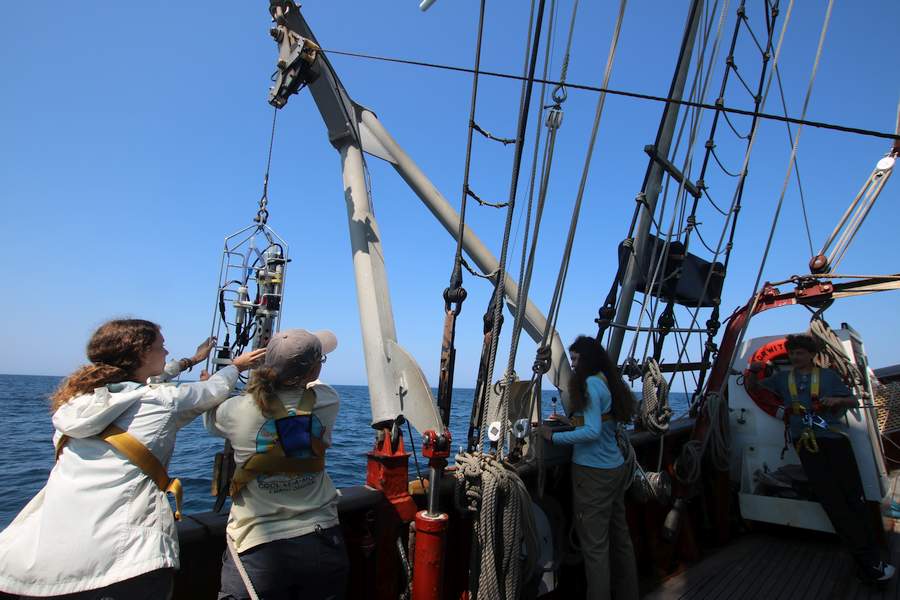
A Great Day in the Gulf of Maine
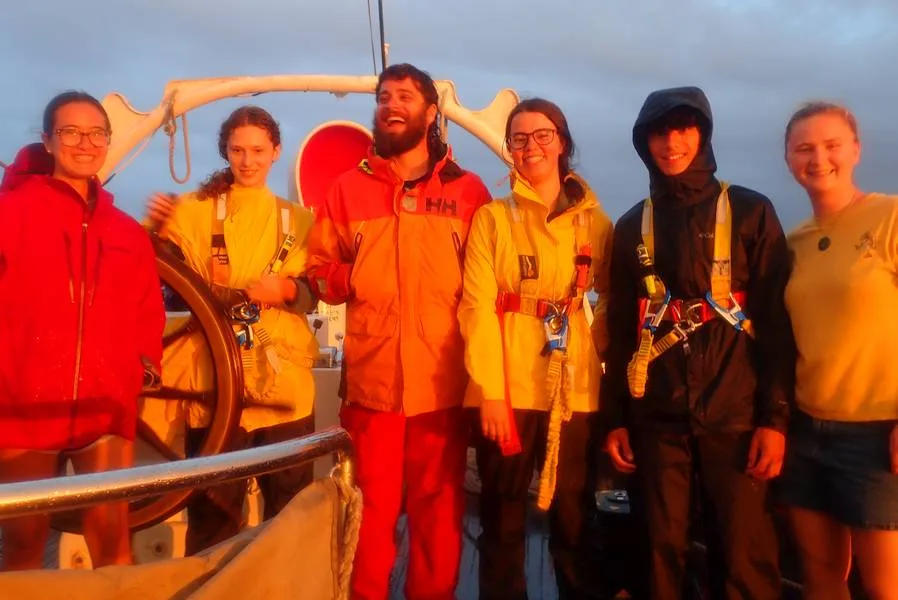
So Hard Core!
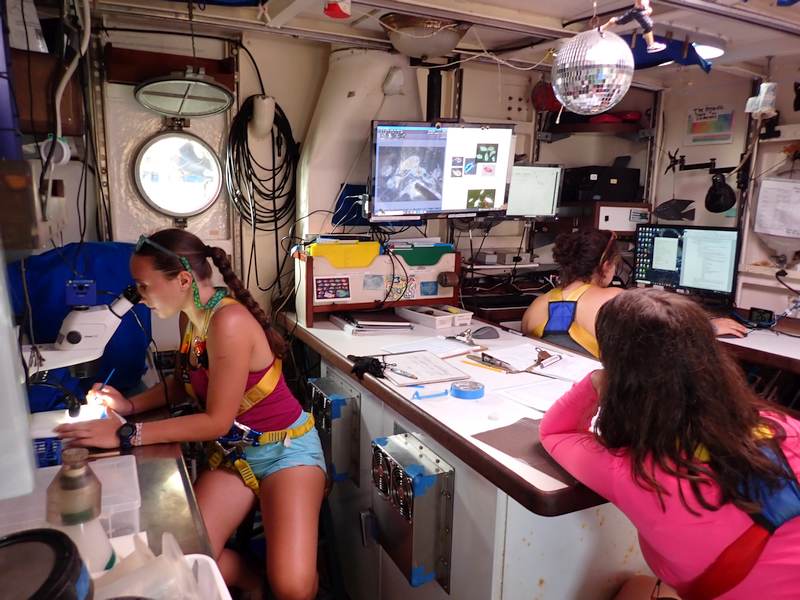
Whales, Dolphins, and Wing “Oh My!”
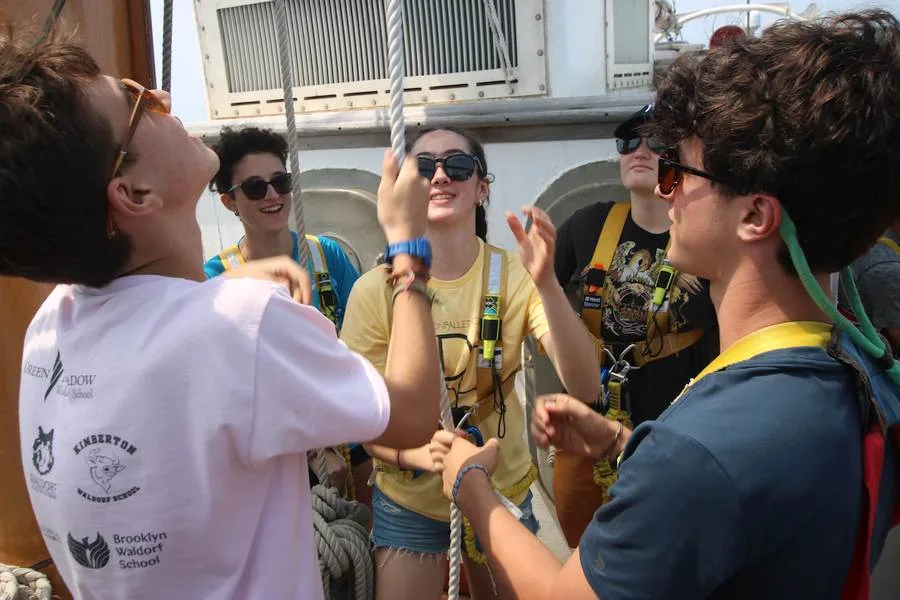
First Day of Sailing
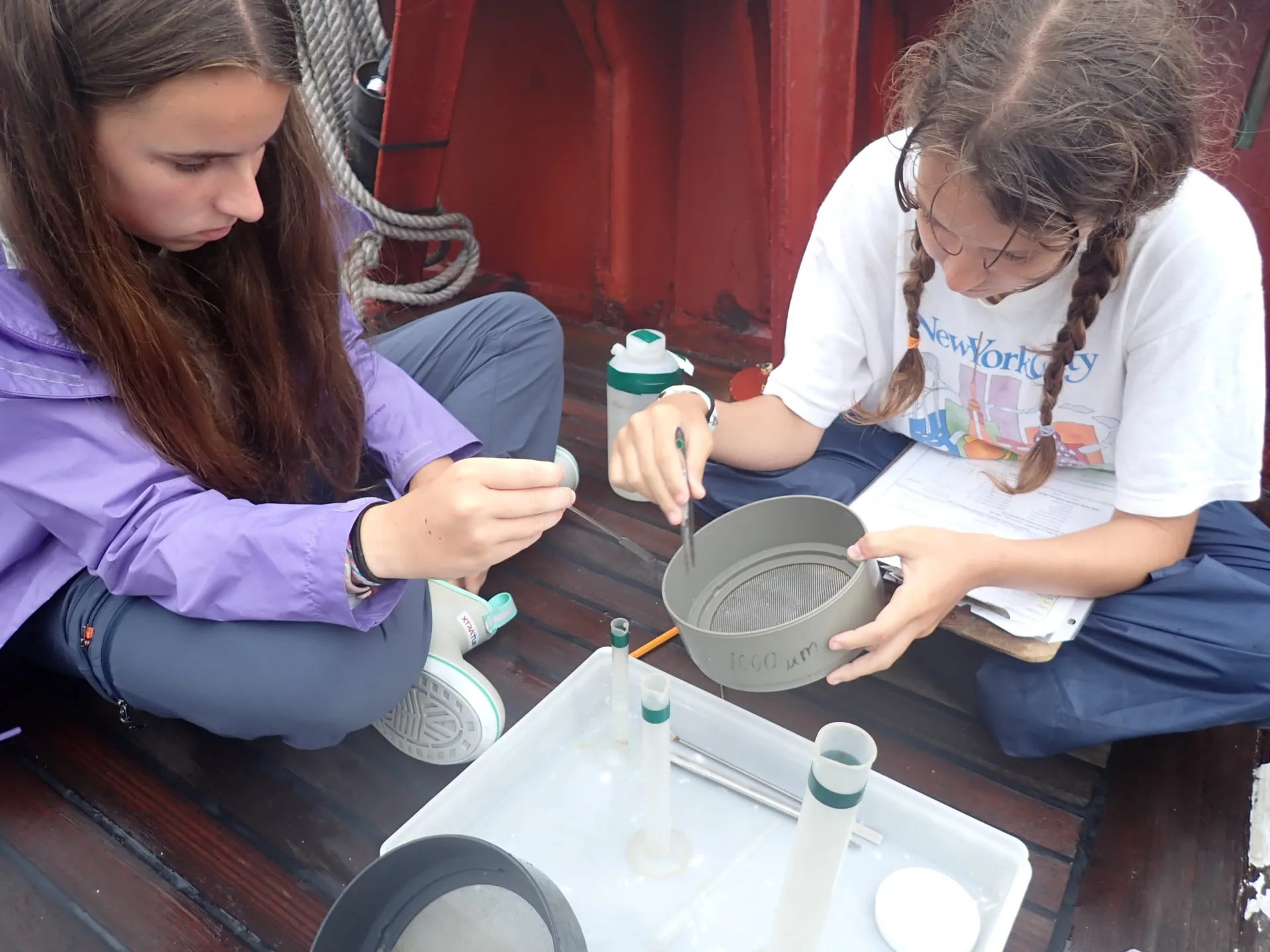
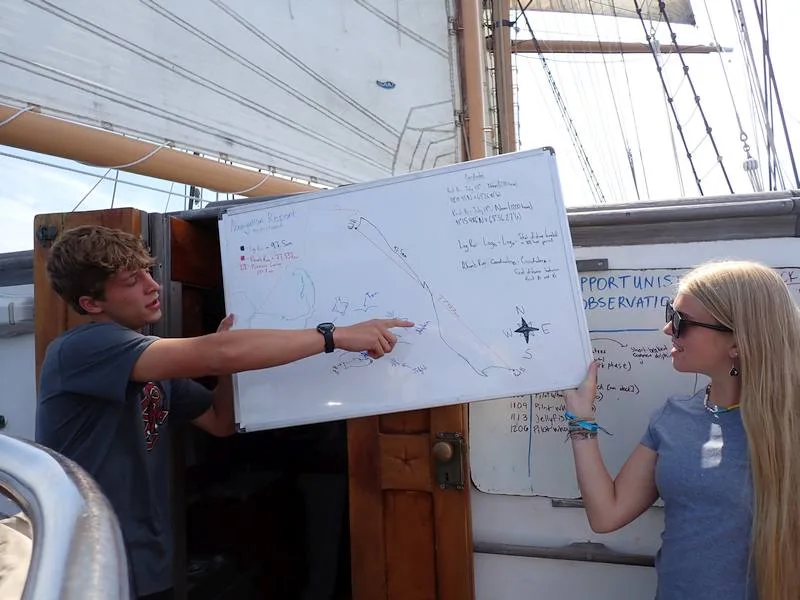
Oceanography Project Presentations
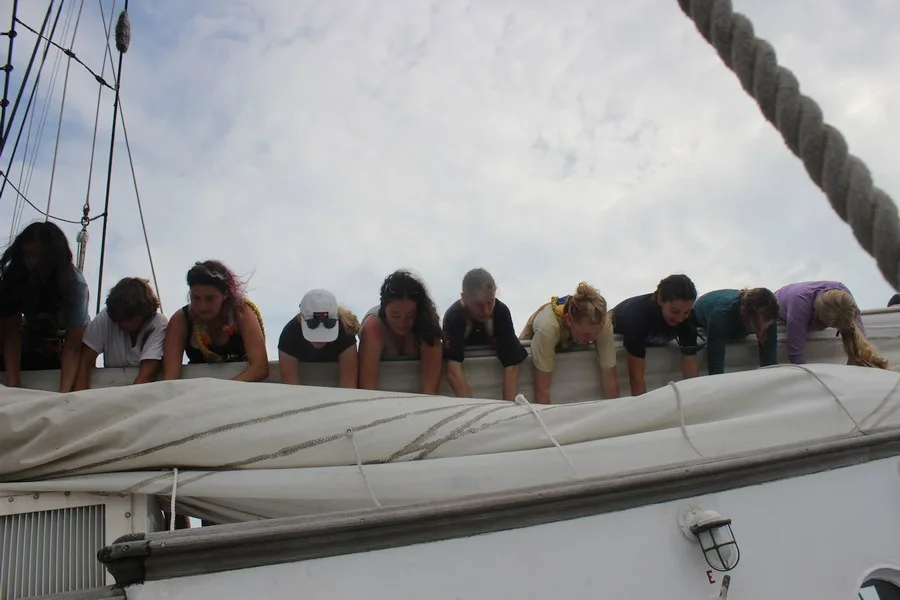
Last Day Underway
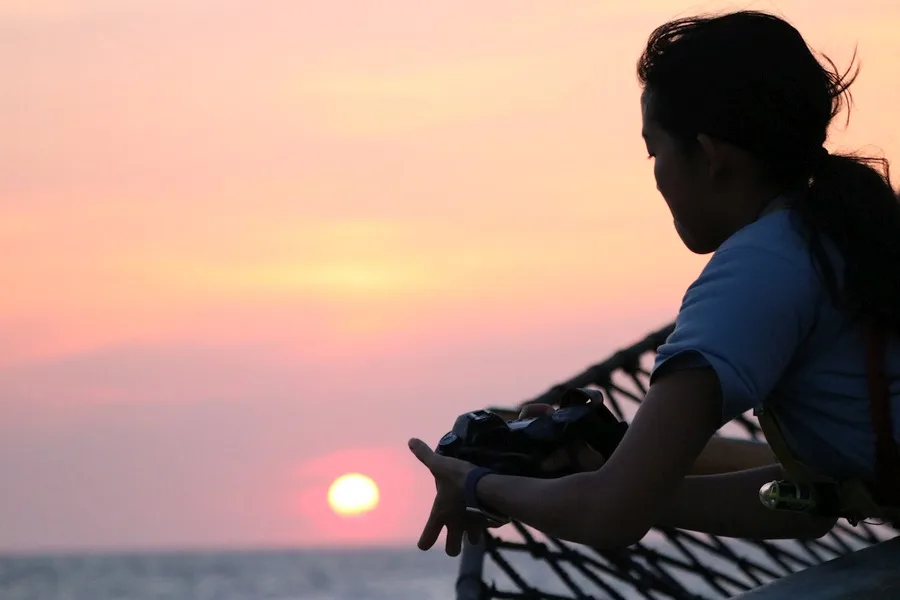
Short and Sweet!
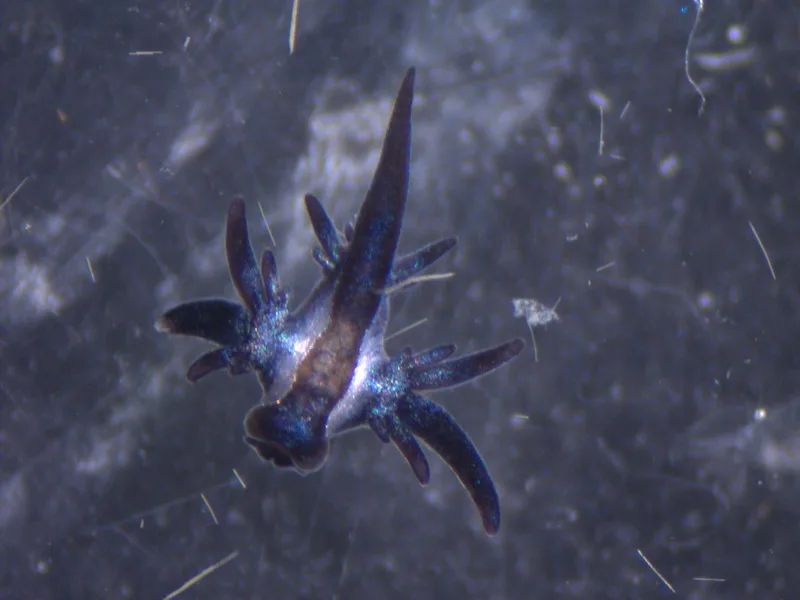
Day in the Sun
B “Beluga” Watch
Whale of the Day
First Full Day at Sea
Getting Underway
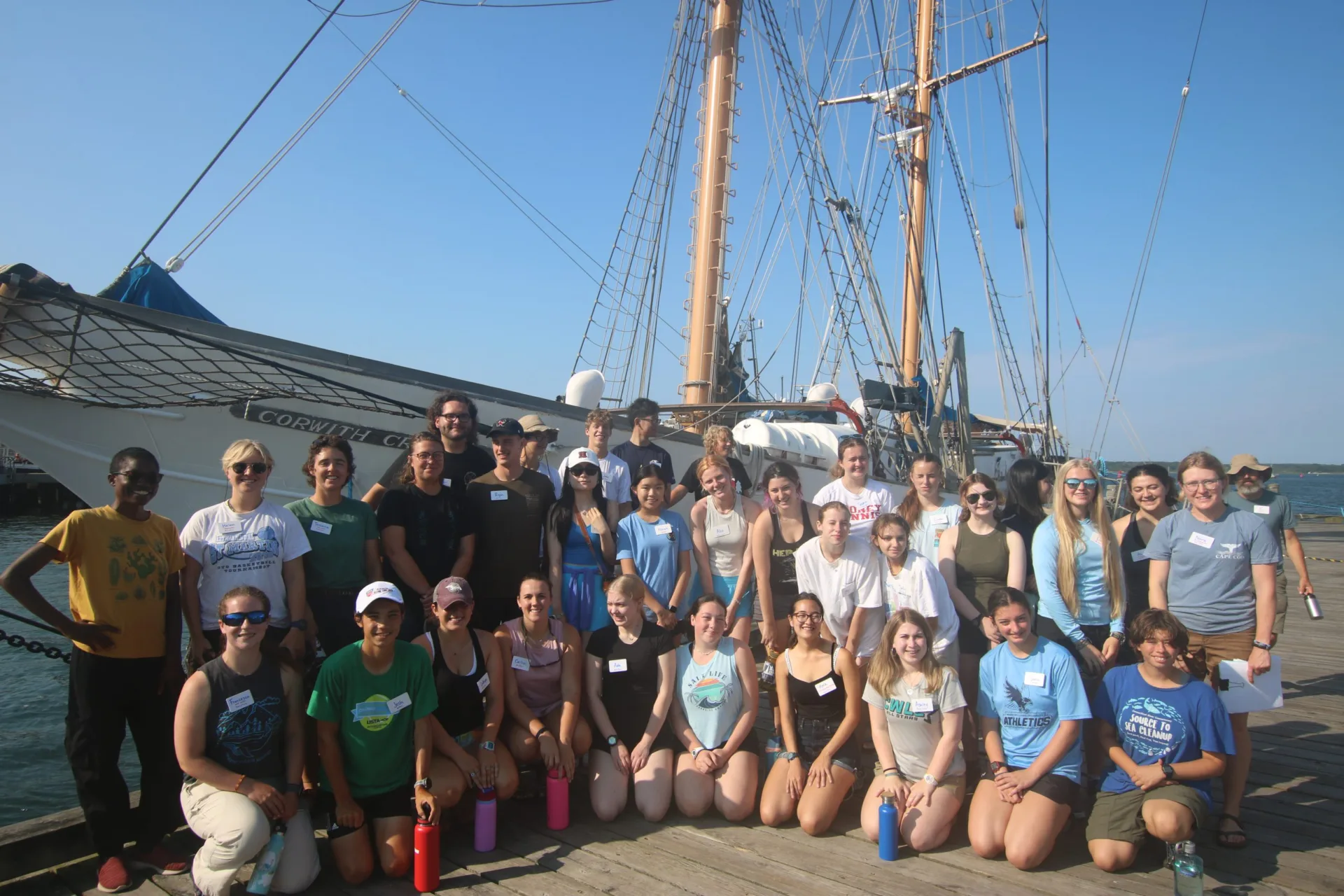
Welcome Aboard SEA Ex Session 2!
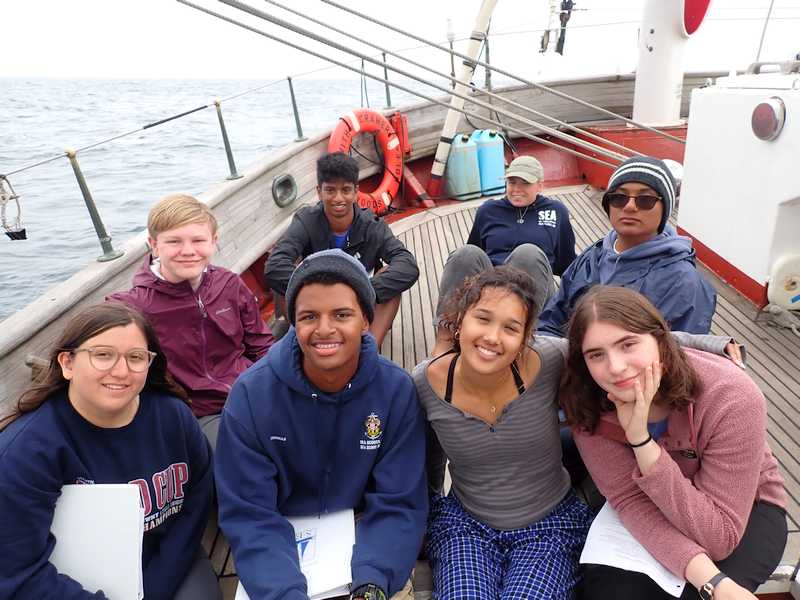
Foggy Day through the Cape Cod Canal
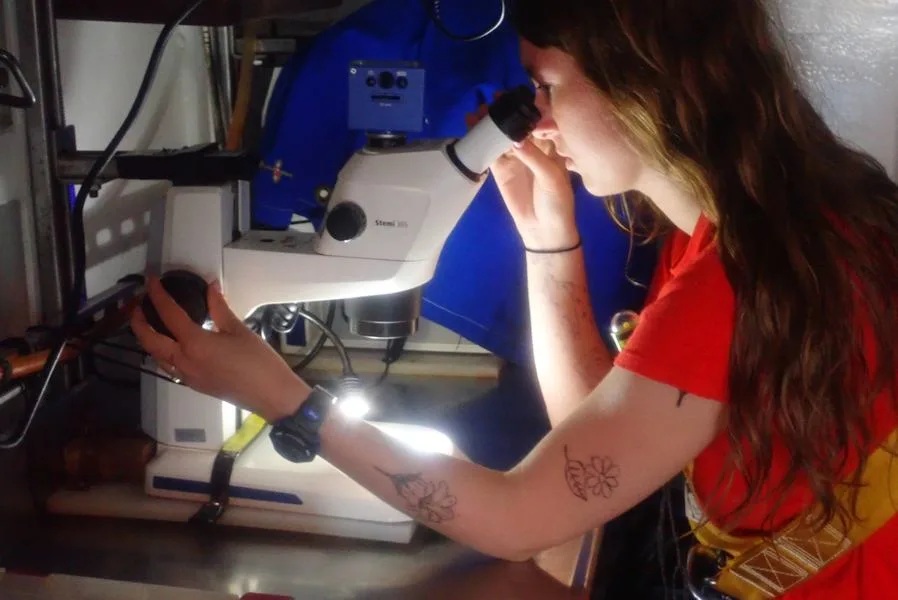
Plankton, Whales and Sails oh my!
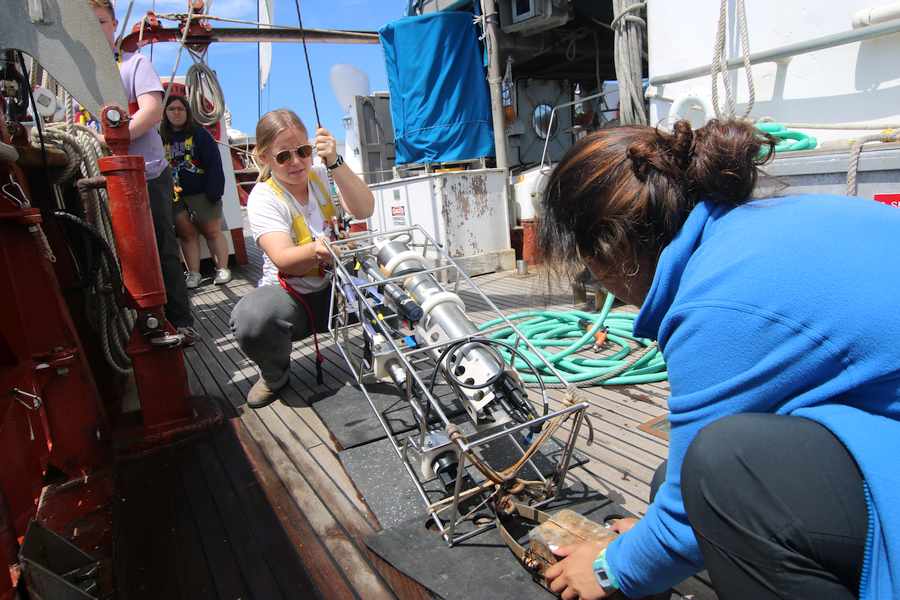
Happy Fourth of July!
Entering and Exiting the Horizon
Taking Off!
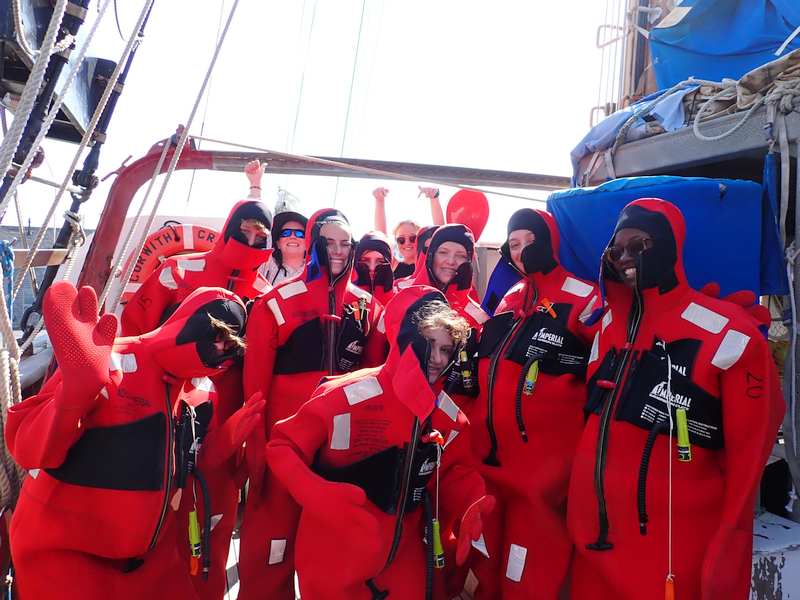
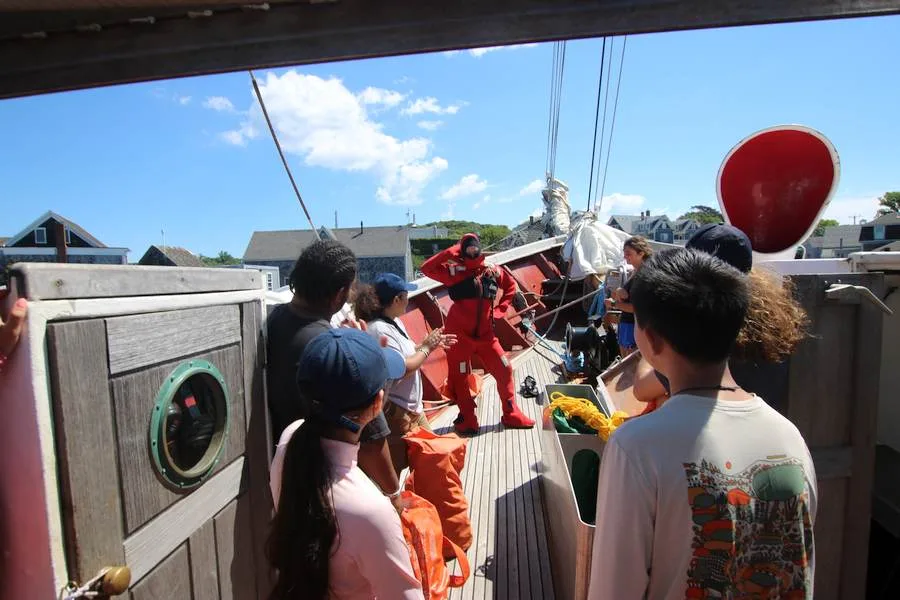
An Important Day of Training
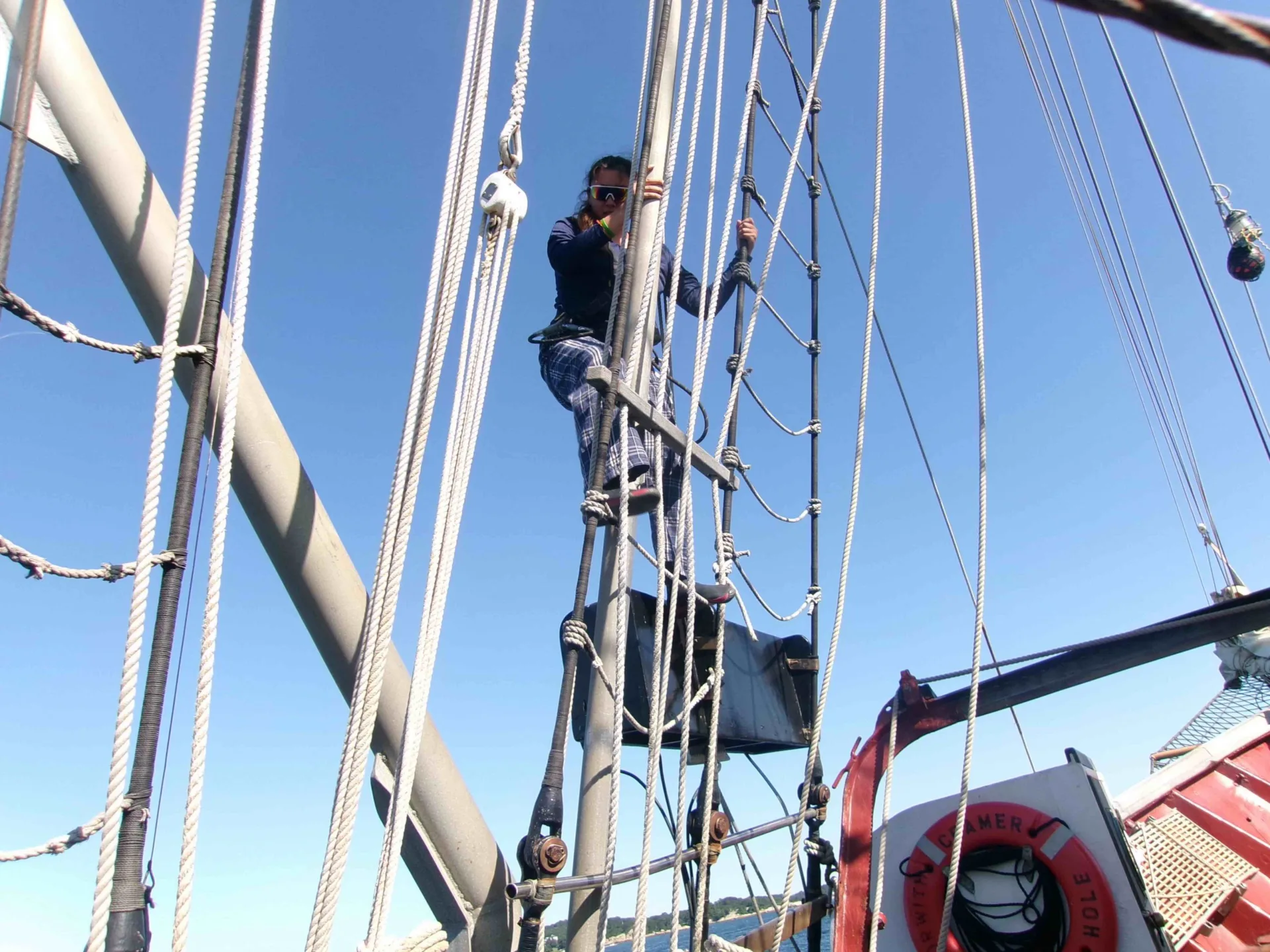
The Shroud of Darkness and the Shrouds Aloft
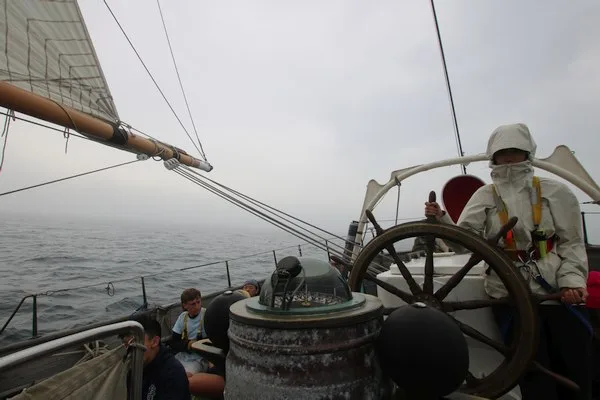
Musings from C Watch

Whales and Sharks and Dolphins Oh My!
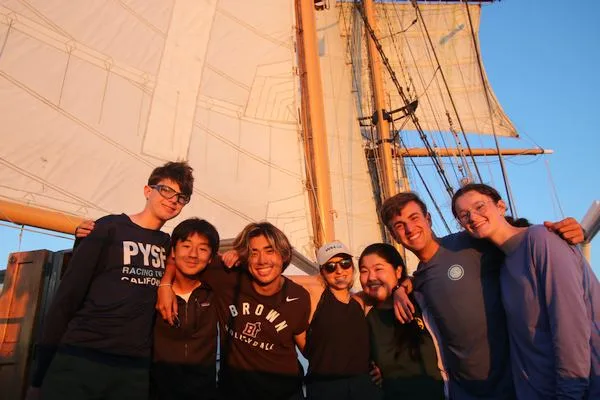
So far, So good, Back Out to the Open Ocean!

From Lobster Pots to Tidal Pools
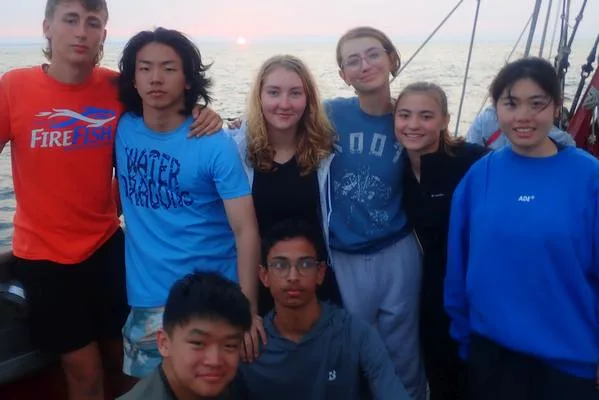
We are Sailing!
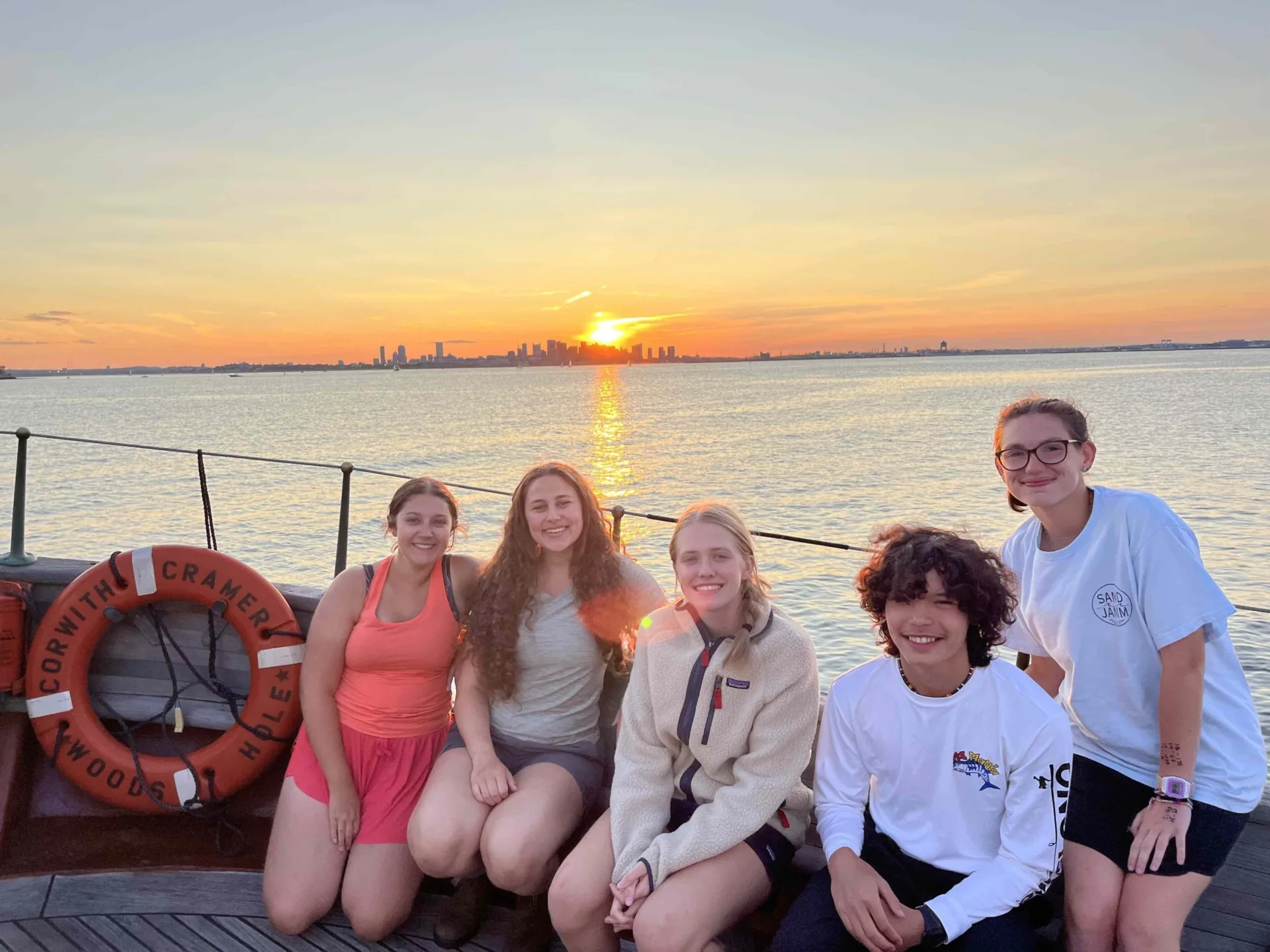
A Farewell to the Sea: Reflections on Our Last Day Aboard
Adventures Aboard SSV Corwith Cramer: From Phytoplankton Hunts to Swim Calls
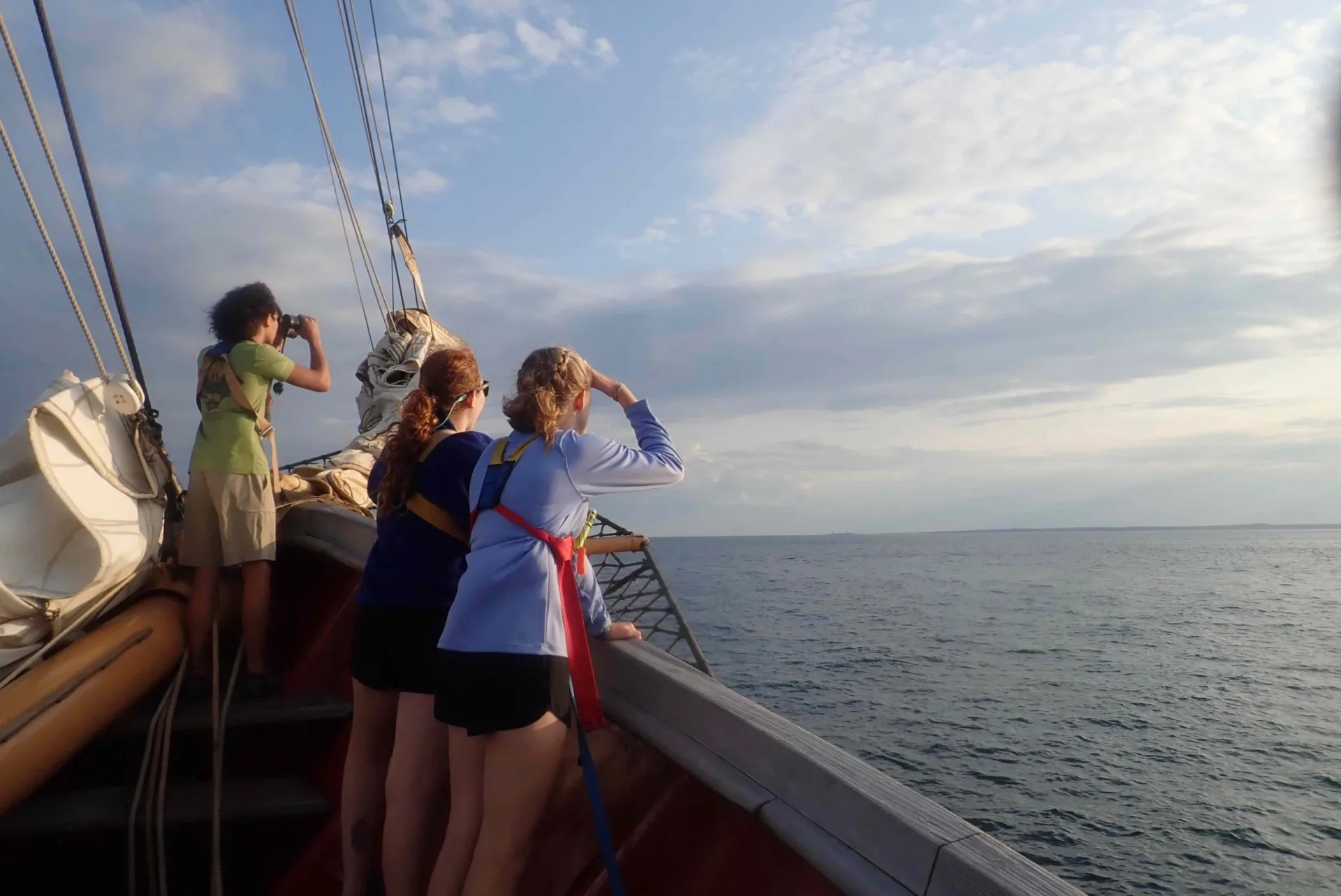
Whales, Waves, and Friendship Bracelets
A Day of Adventure and Education at Sea!
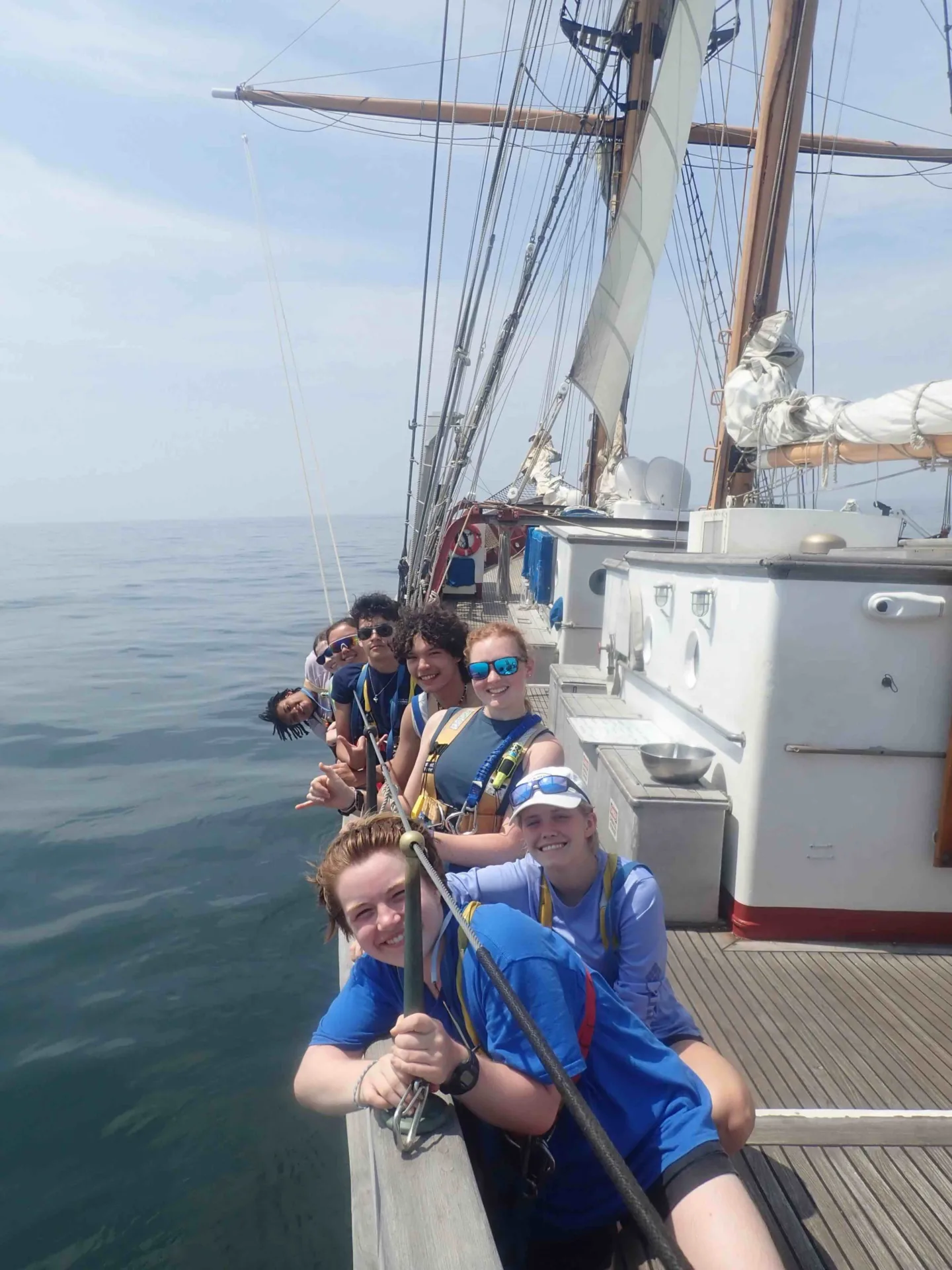
Hello world, from A watch!
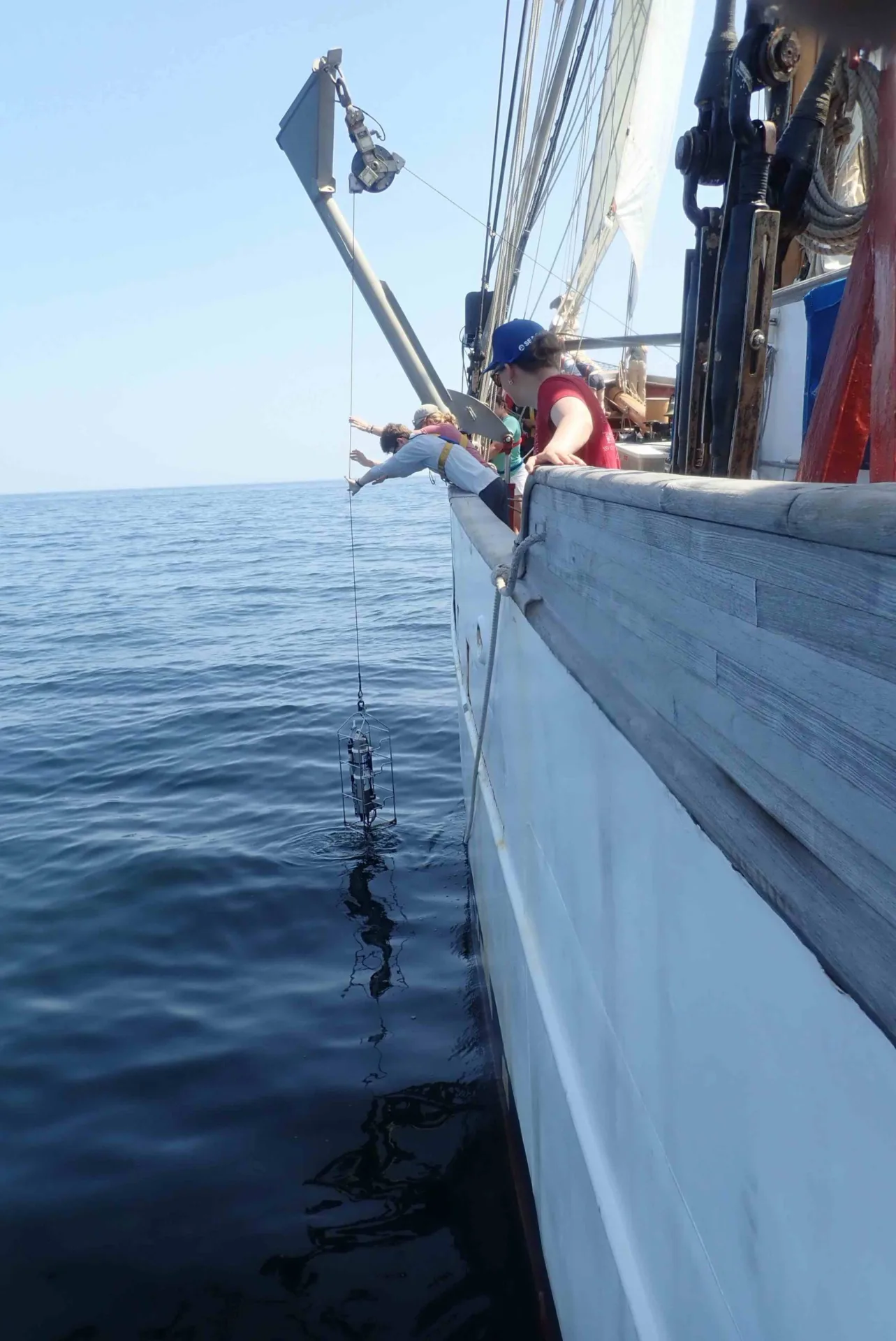
Sailing, Science, and Soaking up the Sun with C Watch
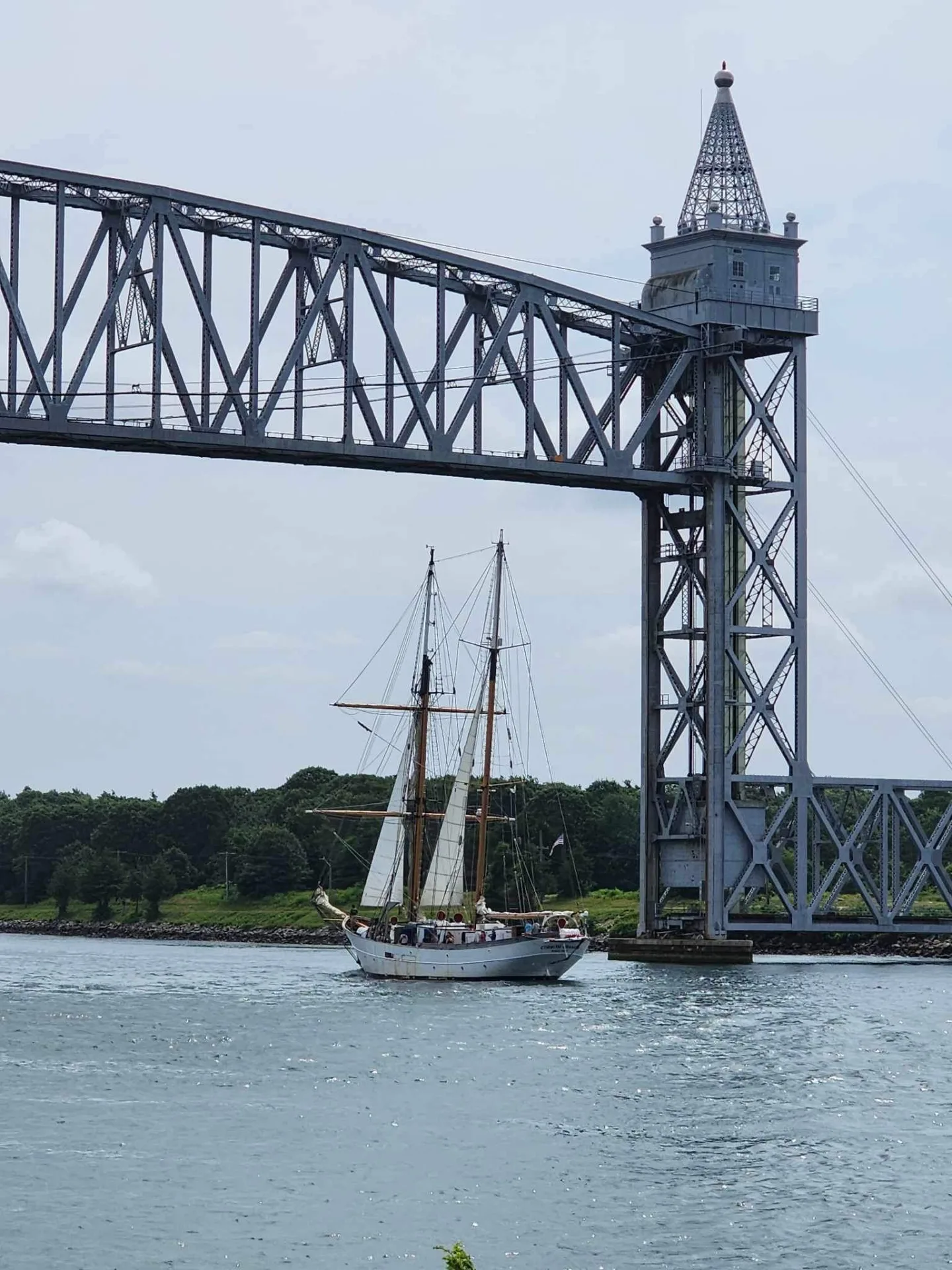
Sailing out of Cape Cod Canal

Day 2 for SEA Expedition 3
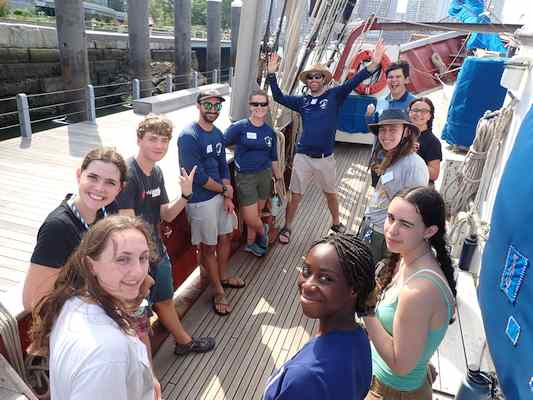
Best Watch TAKEOVER!!!! (B watch)
Sailing Under the Stars to Reach Isle of Shoals
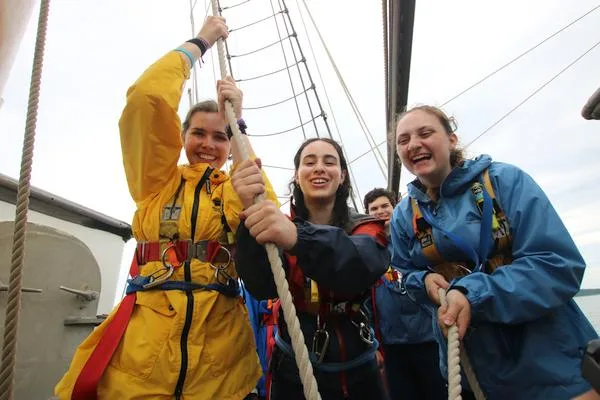
The Training Continues
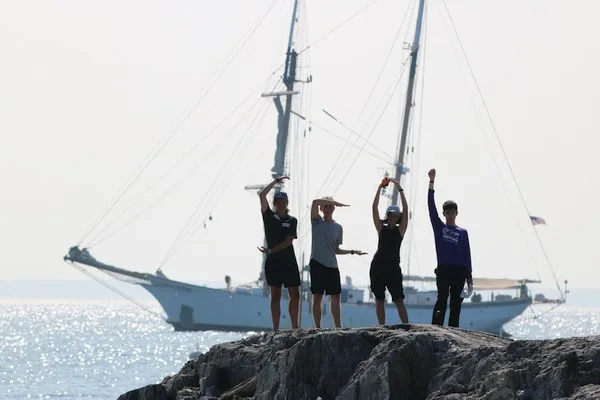
A Wonderful Day at Shoals Marine Lab
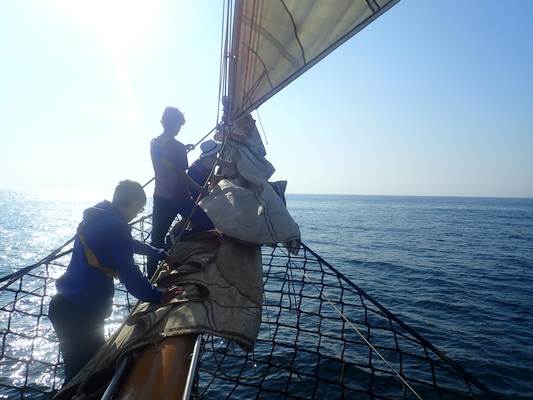
Pip the Magic Bird Lived on Our Boat
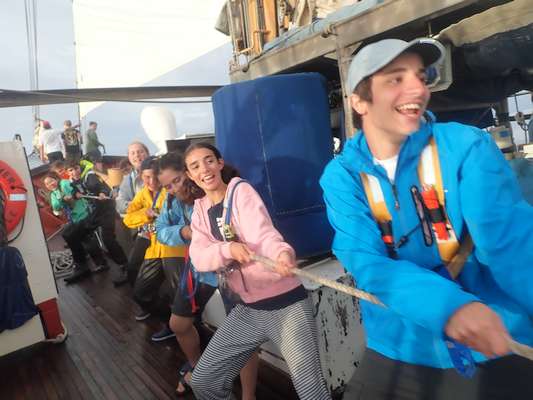
Sheltering from the Thunderstorm on the Fourth of July
Sunflower Seed Butter and Comb Jellies!
The Watches Begin
Welcome Aboard!
The Final Mission- Operation Nantucket
Ahoy lads!
Foggy Night
Wacky DreamLand
Continuing Onwards
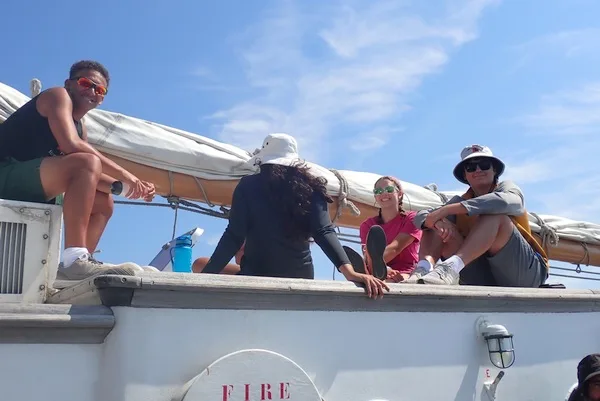
Settling In on the Cramer
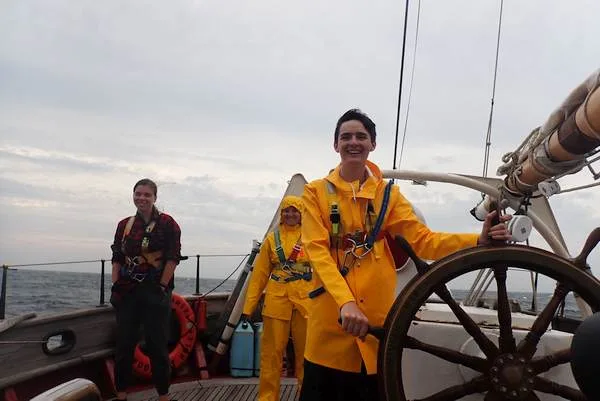
Blog & Weather Update

Off Shore At Last!
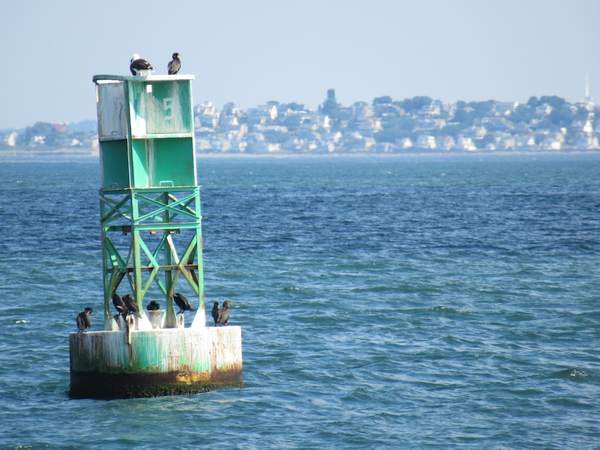
Nothing But Ocean and Wildlife Surrounding Us
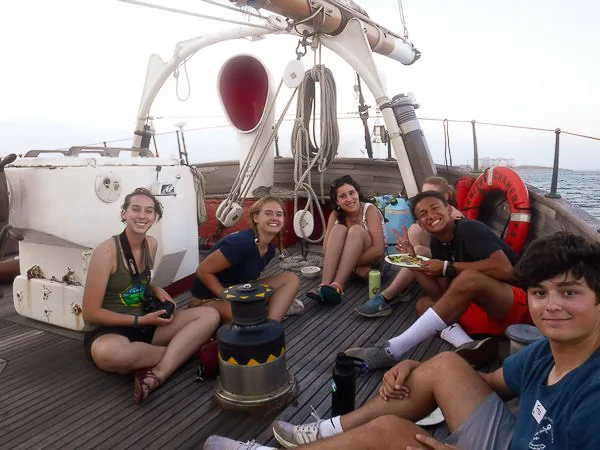
And We’re Off!!
C-303F Has Begun!
Welcome Aboard C303F Students!
Final Hours …
End is in Sight
Sea Watch Rotations

Learning the Ropes
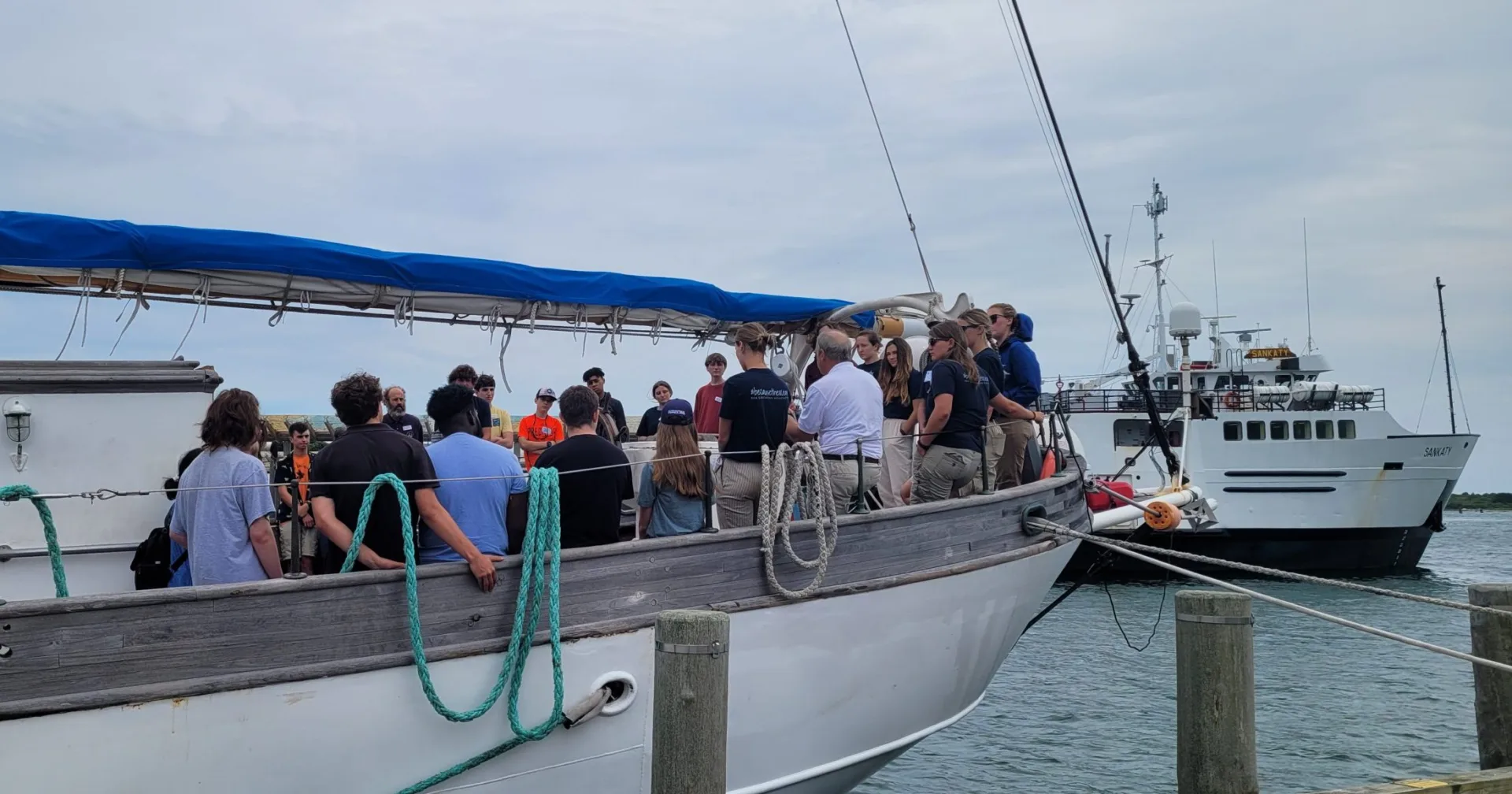
A Day with Many Firsts!
SEA Expedition C303E Has Started!
program experts
Apply
Upcoming Sessions
Cost & payment
Program Cost: $7,500
APPLICATION PROCESS
Students will be required to complete the following in order to be considered by the application deadline:
- Biographical form
- High school transcript
- One academic reference
- Short answer essay questions
- Interview (not applicable for SeaQuest or Ocean Studies on Cape Cod applicants)